
I pulled over on the coast road just east of Bogaz on my fourth drive along the Karpas peninsula, engine ticking in the heat, trying to work out why I kept choosing Famagusta as my base rather than Kyrenia. The answer, when it came, was simple: Famagusta felt like it had something to prove. Kyrenia already knew it was beautiful and charged accordingly. That's not a criticism of either place — it's the essential difference between them, and it shapes everything from your breakfast options to how far you'll drive for a decent swim.
If you're planning a week in northern Cyprus in 2026 and you're agonising over where to base yourself, you're asking exactly the right question. These two towns are only about 85 kilometres apart by road, but they sit in genuinely different worlds. One is a walled medieval city with a complicated soul; the other is a postcard harbour that has leaned into its own charm for decades. Getting this choice right can define your entire holiday.
What We're Actually Comparing
Before diving in, a quick note on what this comparison covers. Both Famagusta (Gazimağusa in Turkish) and Kyrenia (Girne) function as self-contained bases with their own accommodation, restaurants, beaches and day-trip networks. I've spent extended time in both over several years — road-tripping the Karpas from Famagusta, doing the Kyrenia mountain trails, eating my way through both old towns. This isn't a theoretical exercise.
The comparison covers six key factors that matter most to the kind of traveller who reads this site: heritage depth, beach access, dining and evening atmosphere, day-trip logistics, accommodation value, and overall pace. I've also included a quick-reference table and some honest thoughts on who each town actually suits.
Heritage Depth: Famagusta Wins, Hands Down
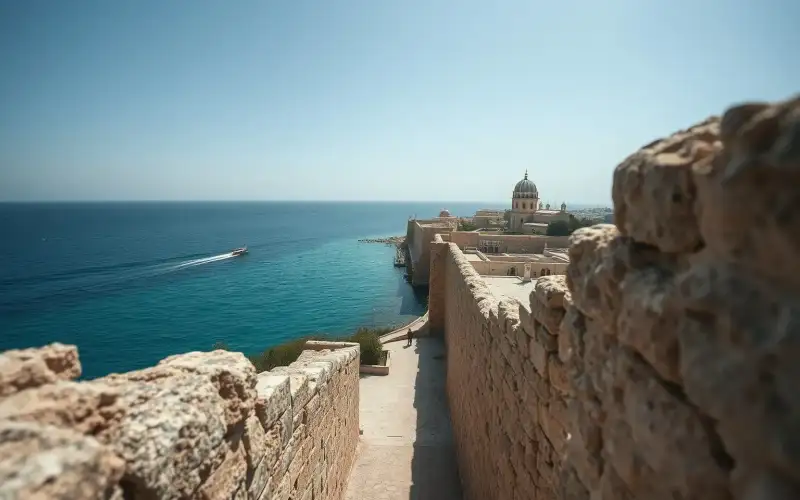
Kyrenia has its castle and its harbour, and they're genuinely lovely. The castle dates to the Byzantine era with Lusignan and Venetian additions, and the Shipwreck Museum inside — housing a 2,300-year-old Greek merchant vessel — is one of the most quietly remarkable things in the whole eastern Mediterranean. Entry in 2026 is around 150 Turkish lira, roughly £4 at current rates. The harbour itself, lined with converted carob warehouses turned restaurants, is the kind of place that makes people book return flights.
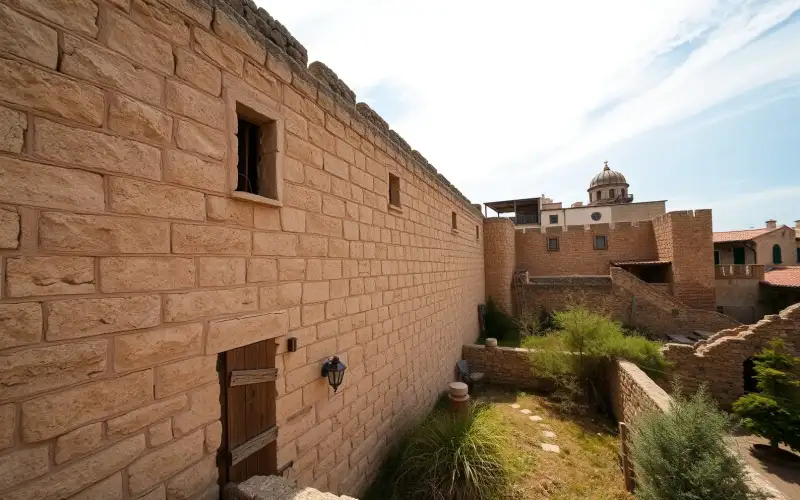
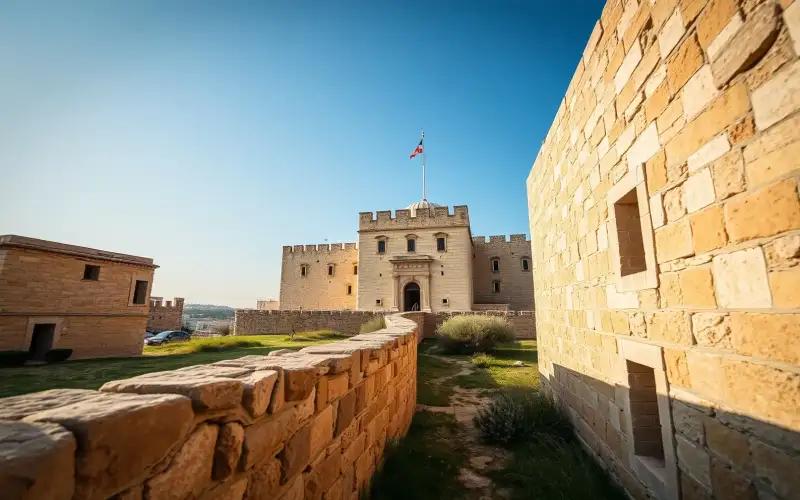
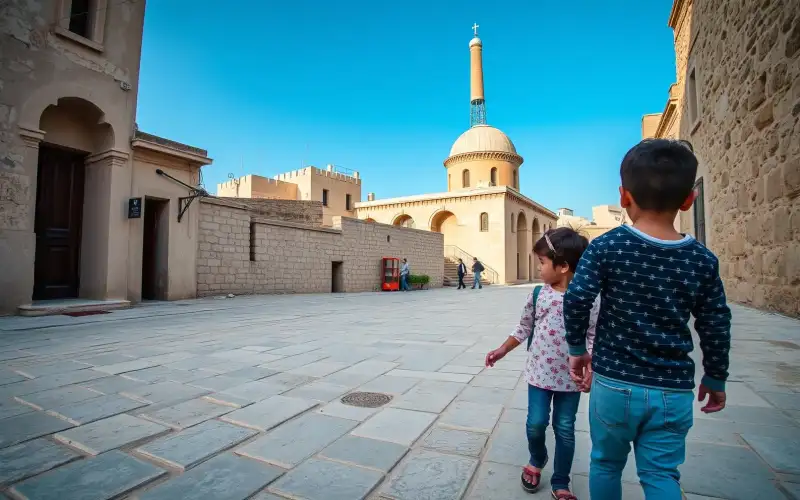
But Famagusta is on a completely different scale historically. The Venetian walls — some of the best-preserved in the world — encircle an entire city. Inside them you'll find the Cathedral of Saint Nicholas, a 14th-century Gothic masterpiece that was converted to the Lala Mustafa Pasha Mosque after 1571 and still functions as one today. Stand in front of it at dusk when the swallows are going mad above the rose window and tell me you're not moved. The ruined churches scattered through the old town — Saint George of the Greeks, the Church of Saint Peter and Paul, the Nestorian Church — each have their own story and most are freely accessible.
Then there's Varosha. The fenced-off ghost district, partially reopened to visitors in recent years, adds a layer of 20th-century history that's unlike anything else in Cyprus. Walking the opened sections along Maraş beach in 2026, with the derelict hotel towers visible behind the fence line, is genuinely haunting. It's not comfortable tourism. It's the kind of thing that stays with you.
For history buffs — and this site's readership skews heavily that way — Famagusta offers more per square kilometre than almost anywhere else in the region.
Beach Access: Kyrenia Edges It for Convenience, Famagusta for Space
Here's where it gets more nuanced. Kyrenia's coastline is beautiful but the beaches immediately around the town are mostly small, pebbly and get crowded quickly in July and August. The better swimming is at places like Escape Beach or Alagadi (Turtle Beach) to the east, both roughly 15–20 minutes by car. Alagadi is genuinely special — a protected loggerhead turtle nesting site where you can join night-time monitoring sessions organised by the Society for the Protection of Turtles (SPOT) between June and August.
Famagusta's beach situation is different. The long sandy stretch running south from the old city walls — including the Maraş/Varosha coastal strip — gives you kilometres of relatively uncrowded sand. The water is calm, clear and warm. There's not much infrastructure, which is either a drawback or a selling point depending on your outlook. I've camped rough on the Karpas peninsula enough times to know I prefer fewer sun-lounger attendants and more space.
For day trips to exceptional beaches, Famagusta has a significant advantage: the Karpas peninsula is right there. Golden Beach (Nangomi), widely considered the best beach in Cyprus and one of the finest in the eastern Mediterranean, is about 100 kilometres from Famagusta — a 90-minute drive along roads that are increasingly good. From Kyrenia, you're looking at closer to 140 kilometres and a two-hour drive. That difference matters if you're planning a Karpas day trip, which you absolutely should be.
Dining and Evening Atmosphere: Different Vibes Entirely
Kyrenia's harbour restaurants are famous, frequently photographed and, by northern Cyprus standards, fairly expensive. A grilled sea bass with a couple of Efes beers at a harbour-front table will run you £25–35 per person without trying hard. The food is good, sometimes excellent, and the setting is undeniably romantic. The issue is that the harbour has become something of a tourist bubble — menus in four languages, persistent touts at the smarter places, and a sense that you're eating in a stage set rather than a working town.
Venture five minutes inland from Kyrenia's harbour, though, and the picture changes. The backstreets have proper local mezes, cheaper kebab houses and a handful of wine bars that feel authentically Cypriot rather than performance-Cypriot. The old town around the market area has some excellent spots that locals actually use.
Famagusta's dining scene is less polished but more interesting. The area around Namık Kemal Square (the main square in the walled city, in front of the mosque) has a handful of good restaurants serving traditional Cypriot-Turkish food — lamb kleftiko, halloumi fresh off the grill, stuffed vine leaves that taste like someone's grandmother made them. Prices are noticeably lower: a full meze spread for two with drinks rarely exceeds £30. The evening atmosphere in the old town has a slightly melancholy, end-of-the-world quality that I find completely compelling — it's quiet, the streets empty out early, and you feel like you have the whole medieval city to yourself.
"Famagusta after 9pm in October is one of the great underrated experiences of the Mediterranean. Three cats, the call to prayer echoing off Venetian stone, and a cold Kıbrıs beer on a plastic chair. I wouldn't swap it." — from my notebook, October 2024
Day-Trip Logistics: It Depends What You're After
Both towns work well as day-trip bases, but they open up different territory.
From Kyrenia, you're well-placed for:
- The Kyrenia mountain range (Besparmak/Pentadaktylos) — St Hilarion Castle is 20 minutes by car, Bellapais Abbey about 10 minutes
- Lefkoşa (North Nicosia) — 30 minutes on the main road, easy half-day
- Güzelyurt (Morphou) and the citrus-growing west — about an hour
- Lapithos (Lapta) coastal villages along the north coast
From Famagusta, the day-trip menu looks like this:
- Salamis — the Roman ruins are literally 8 kilometres north of the city, a 10-minute drive
- The Karpas peninsula — the whole spine of it, from the monastery of Apostolos Andreas at the tip to the quiet villages of Dipkarpaz and Rizokarpaso
- Lefkoşa — about 70 kilometres, roughly an hour on the main road
- Larnaca (Republic of Cyprus) — crossing at Metehan or Ledra Palace, about 90 minutes total including the border crossing
Salamis alone justifies basing yourself in Famagusta. The site — theatre, gymnasium, baths, basilica, royal tombs — covers several square kilometres and on a quiet Tuesday morning in spring you can walk for an hour without seeing another tourist. Entry is around 200 lira in 2026, roughly £5.
Accommodation and Value: Famagusta Offers Better Value, Kyrenia More Choice
| Factor | Famagusta | Kyrenia |
|---|---|---|
| Budget guesthouses (per night) | £35–55 | £50–80 |
| Mid-range hotels (per night) | £65–110 | £90–160 |
| Boutique/character options | Limited but improving | Good selection |
| All-inclusive resorts | Several south of city | Many along coast |
| Self-catering apartments | Good value, easy to find | Available, pricier |
| Atmosphere of accommodation | Quieter, more local | More polished, touristy |
Kyrenia has a more developed tourism infrastructure — more hotels, more choice at every price point, better-organised airport transfers from Ercan. Famagusta is catching up, with a handful of renovated guesthouses inside the old walls that opened in the last few years. Staying inside the Venetian walls in Famagusta, even in a fairly basic room, is an experience worth seeking out. Waking up to those stone streets before the day heats up is something else entirely.
One practical note: both towns are served by Ercan International Airport, which is the main entry point for northern Cyprus. Kyrenia is about 45 minutes from Ercan; Famagusta is roughly 60–70 minutes. Neither is a long transfer by any measure.
Pace and Atmosphere: The Real Deciding Factor
This is where the choice often comes down to temperament rather than logistics. Kyrenia is livelier, more social, more geared to visitors who want to be looked after. The harbour area buzzes until midnight in summer. There are boat trips, jeep safaris, organised excursions to every corner of the island. If you want a holiday that feels like a holiday — with options, activity and a certain amount of hand-holding — Kyrenia delivers.
Famagusta demands a bit more from you. It's not unfriendly — quite the opposite — but it doesn't perform for tourists. The old city goes about its business: the mosque does its thing, the market sells vegetables, the kids play football in the square. You're a visitor in a functioning place rather than a customer in a resort town. For slow travellers, for people who want to feel the texture of somewhere rather than just see its highlights, that's enormously appealing.
The Karpas peninsula, accessible in a day from Famagusta, is the real wild card. Once you've driven that road — past the donkeys near Dipkarpaz, through the olive groves, down to the sea at Golden Beach — you'll understand why some people never quite get over northern Cyprus.
Honourable Mentions: Don't Overlook These Alternatives
A few options that don't fit neatly into the Famagusta-vs-Kyrenia binary:
Bellapais village — a handful of rentable houses in the hills above Kyrenia, near the famous abbey. Cooler, quieter, extraordinary views. Worth considering if you're driving everywhere anyway.
Bogaz (Boğaz) — a small fishing village on the east coast between Famagusta and the Karpas. A few simple hotels and fish restaurants right on the water. Almost nobody outside Cyprus knows about it. I've had some of the best grilled fish of my life here, for about £12 a head.
Dipkarpaz (Rizokarpaso) — the main village on the Karpas peninsula itself. Staying here for two or three nights puts you within 20 minutes of Golden Beach and the monastery. Facilities are basic but that's the point. The Greek Cypriot community that remained here after 1974 gives the village a character you won't find anywhere else in the north.
How to Choose: A Quick Framework
After all of that, here's the honest summary. Choose Famagusta if you're primarily interested in history and archaeology, if the Karpas peninsula is on your list, if you prefer quieter evenings and lower prices, or if you're the kind of traveller who likes to wander without a plan and see what turns up. Choose Kyrenia if you want a more polished base with better dining variety, if the mountain scenery and castle-hopping appeals more than ancient ruins, if you're travelling with someone who needs more comfort and convenience, or if you want a social atmosphere with other tourists around.
And if you genuinely can't decide? Split the week. Three nights in Famagusta, four in Kyrenia, or vice versa. The drive between them takes about 90 minutes via the main road through Lefkoşa, and it's perfectly straightforward. You'll get the ghost-city atmosphere and the Karpas from one end, the harbour and the mountains from the other. Northern Cyprus is small enough that you can cover a lot of ground without it feeling rushed.
Either way, you're going somewhere that most British travellers still haven't discovered properly. That's the real selling point of the north in 2026 — not the choice between two towns, but the fact that both of them are still, against all odds, genuinely off the beaten track.

Comments (3 comments)