
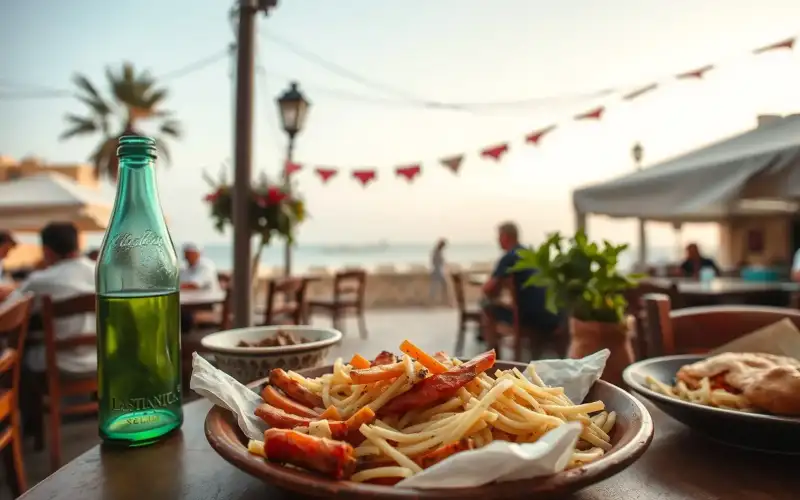
The first time I sat down to eat in Famagusta's walled city, I ordered without looking at the menu. The owner — a man who had been cooking the same lamb stew for thirty years — simply brought what was ready. That bowl of kleftiko, slow-cooked until the meat fell from the bone in long, yielding ribbons, arrived with a wedge of village bread and a silence that suggested no explanation was needed. That is the standard I have been chasing ever since.
Eastern Cyprus is not Ayia Napa. It is not the strip-lit tourist corridor of the south coast, and it is emphatically not the place to find a laminated picture menu with a Union Jack in the corner. What you find here, if you look properly, is cooking rooted in the Ottoman and Byzantine layers of this island — dishes that arrived via Anatolia, the Levant, and the Greek mainland, then settled quietly into the Cypriot soil and became something entirely their own.
This guide is for travellers who want to eat well rather than conveniently. It covers Famagusta proper, the villages of the Karpas peninsula, and a couple of spots on the road between. Prices are given in Turkish lira ranges but converted approximately to sterling at 2026 rates; always carry a mix of currency in the Karpas, where card readers remain optimistic fiction in some establishments.
What Makes Cypriot Food in This Region Different
Before the list, a word on context. The cuisine of eastern Cyprus — what is now the Turkish Republic of Northern Cyprus — draws on a slightly different pantry than the Greek Cypriot south. You will find more hellim (the local name for halloumi, made here in village dairies rather than industrial creameries), more molehiya (a jute-leaf stew that tastes like nothing you have encountered before), and a stronger tradition of slow-cooked offal dishes that most restaurants elsewhere have quietly retired.
The Karpas peninsula in particular has been geographically isolated for long enough that its food culture developed its own stubborn character. Octopus dried on lines outside harbourside houses, carob syrup drizzled over fresh cheese, wild herbs gathered from the hillsides above Dipkarpaz — these are not affectations. They are the remnants of a subsistence larder that still makes occasional appearances on the table.
"We don't have a menu because the menu is whatever came in this morning," the owner of a small taverna outside Bogaz told me in 2024. I have returned every spring since.
The Curated List: Eight Places Worth the Effort
1. Petek Pastanesi, Famagusta Walled City
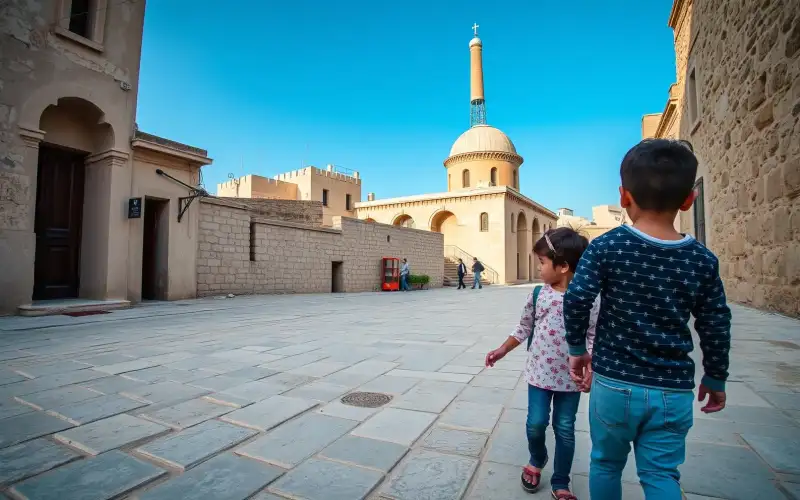
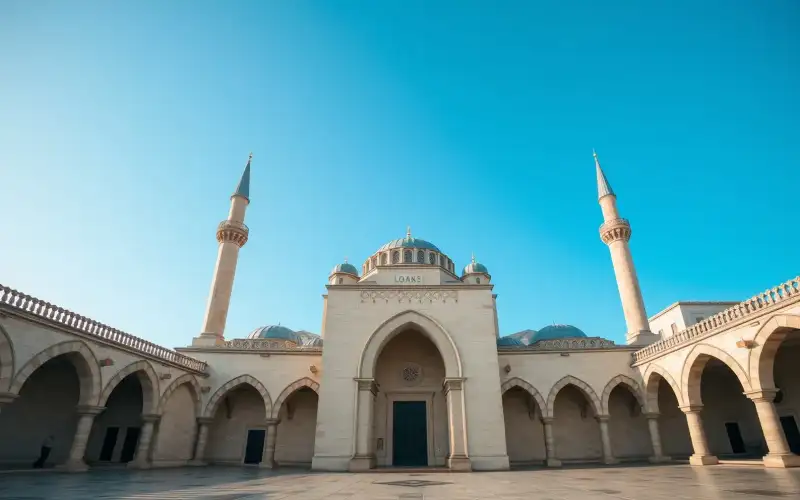
Strictly speaking, Petek is a pastry shop and café rather than a restaurant, but it earns its place here because no visit to Famagusta is complete without sitting at one of its small tables with a börek stuffed with hellim and a glass of strong Turkish tea. The building is inside the Venetian walls, close to the Lala Mustafa Pasha Mosque, and the interior has the unhurried atmosphere of a place that has never felt the need to update its décor. Breakfast or mid-morning stop only; closes around 1pm. Budget around £3–5 per person.
2. Aspava Restaurant, Famagusta City Centre
Aspava is the kind of place locals eat on weekdays. The dining room is plain, the tablecloths are plastic, and the meze arrives in small ceramic dishes at a pace that suggests the kitchen is not remotely hurried. Order the full cold meze spread — tarama, humus, tabbouleh, pickled vegetables, hellim grilled over charcoal — then follow it with whatever the daily hot dish is. The molehiya appears on Thursdays. Lunch and dinner; expect to pay £12–18 per person with a beer.
3. Güzelyurt Kebab House, Near the Old Port
The name is slightly misleading — this is not a Güzelyurt establishment but takes its name from the owner's hometown in the west of the island. What matters is the şiş kebab, made from lamb that has been marinated overnight in lemon juice, olive oil, and dried thyme. The skewers arrive on a bed of grilled flatbread with a simple tomato and parsley salad alongside. No starters, no desserts, no fuss. Open evenings only, Tuesday to Sunday. Around £10–14 per person.
4. Bogaz Harbour Fish Restaurants (Collective Entry)
Bogaz — or Boğaz — is a small fishing harbour about 15 kilometres north of Famagusta on the road toward the Karpas. Several family-run fish restaurants line the waterfront, and the quality varies by season and by what came off the boats that morning. In spring and early summer, the barbunya (red mullet) is exceptional — fried simply in olive oil with a squeeze of lemon. In autumn, look for levrek (sea bass) grilled whole over wood. The most reliable of the cluster is the one with the blue awning at the far end of the harbour — it has no English signage but the owner speaks enough to take your order. Budget £15–22 per person for fish, bread, and salad.
5. Karpaz Gate Marina Restaurant, Karpas Peninsula
This is the most polished entry on the list, and I include it with a caveat: the setting is a marina development, which means the atmosphere is more contemporary than the others here. But the kitchen takes its sourcing seriously. The hellim comes from a village dairy in Dipkarpaz, the olive oil is pressed locally, and the daily fish is genuinely daily. The octopus in red wine is the dish to order. Expect to pay £20–30 per person. Reservations advisable in July and August.
6. Oasis at Ayfilon, Dipkarpaz Village
Dipkarpaz (Rizokarpaso in Greek) is the last significant village before the tip of the Karpas peninsula, and Oasis is its most dependable restaurant. The menu reads like a document of what the peninsula has always eaten: village sausage made with coriander seed and red wine, tarhana soup (a fermented grain and yoghurt broth that takes some getting used to but rewards patience), roasted goat with potatoes, and a dessert of carob syrup ice cream that tastes like the island distilled into a single spoonful. Lunch only on weekdays; lunch and dinner at weekends. Around £14–20 per person.
7. Salamis Bay Area — Roadside Meze Houses
On the road between Famagusta and the Salamis ruins, a handful of roadside establishments serve the kind of meze that takes two hours to eat properly. These are not restaurants in any formal sense — more like extended family kitchens that have expanded to accommodate strangers. The spread typically runs to twenty or more small dishes, arriving in waves: cold dips and pickles first, then grilled meats and fish, then cheese, then fruit. The whole thing costs somewhere between £18 and £25 per person and represents, in my view, the most honest way to eat on this stretch of coast. Go at lunch on a Sunday when the locals go.
8. Kantara Village Café, Kantara
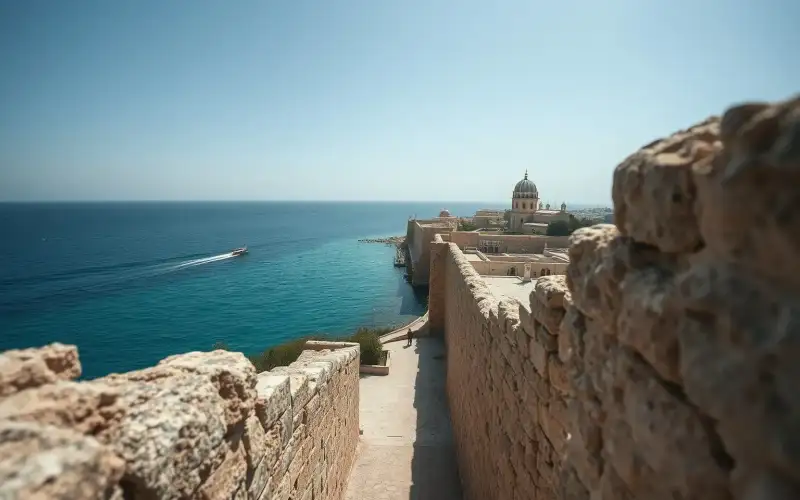
Kantara is up in the Kyrenia mountain range rather than on the coast, but it sits on a natural route if you are looping the Karpas from the south. The village café near the castle car park serves gözleme — thin griddle bread stuffed with cheese, spinach, or minced meat — made to order by the owner's mother, who has been doing this since before the café had a name. It is not a restaurant and does not pretend to be. But a plate of gözleme with a glass of ayran after walking the castle ramparts is a combination I have not found reason to improve upon. Under £6 per person.
Honourable Mentions
Several places deserve a mention without quite making the main list. Salamis Ruins Café — immediately adjacent to the archaeological site — serves decent hellim toast and strong coffee, useful for a mid-morning break during a long site visit. Maraş Road Grill, on the southern approach to Famagusta, does a creditable döner at lunch that is nothing like the high-street version familiar from British town centres. And in Famagusta's walled city, the small bakery on the street running south from Namık Kemal Square sells çörek — a sesame-and-anise ring bread — that is best eaten warm at around 8am.
How to Choose and What to Order: A Practical Guide
| Dish | What It Is | Where to Find It | Approx. Price (£) |
|---|---|---|---|
| Hellim grilled | Local halloumi, charcoal-grilled | Most meze restaurants | 3–5 |
| Kleftiko | Slow-roasted lamb, sealed and cooked overnight | Aspava, Oasis at Ayfilon | 10–14 |
| Molehiya | Jute-leaf stew, usually with chicken | Aspava (Thursdays) | 8–12 |
| Barbunya | Red mullet, fried simply | Bogaz harbour restaurants | 12–18 |
| Tarhana soup | Fermented grain and yoghurt broth | Oasis at Ayfilon | 4–6 |
| Gözleme | Griddle bread with savoury filling | Kantara village café | 3–5 |
| Octopus in red wine | Braised octopus, Levantine-influenced | Karpaz Gate Marina | 14–18 |
| Village sausage | Coriander and red wine, grilled | Oasis at Ayfilon | 6–9 |
A few principles worth keeping in mind when eating in this part of the island. First, lunch is the serious meal here — most of the best cooking happens between noon and 3pm, and several of the establishments above do not open in the evening at all. Second, the word meze in northern Cyprus means a long, shared, multi-dish meal rather than a single starter; if you order meze for two, plan to spend at least ninety minutes at the table. Third, do not be alarmed by the absence of a written menu. In the Karpas especially, the daily offering is determined by what is available, and asking "what do you have today?" is not an inconvenience — it is the correct question.
The best meal I ate in the Karpas last spring cost £11 and arrived without my asking for it. The worst cost three times that and came with a laminated photograph. Draw your own conclusions.
Getting Around: A Note on Practicalities
Famagusta itself is walkable within the walls, and most of the city-centre restaurants are within fifteen minutes on foot of the Venetian gate. For Bogaz, Salamis, and the Karpas peninsula, you will need either a hire car or a willingness to negotiate with the shared dolmuş minibuses that run from Famagusta's main bus terminal on Gazi Mustafa Kemal Bulvarı. The dolmuş to Dipkarpaz runs twice daily in 2026 — departing at 8am and 1pm — and takes approximately two hours to reach the village. Hiring a car in Famagusta costs around £35–45 per day from local operators; international hire companies do not operate in northern Cyprus, so you will need to arrange this locally or through your accommodation.
The Karpas road is good as far as Dipkarpaz and passable but slow beyond. If you are driving to the tip of the peninsula — to the Apostolos Andreas monastery — allow half a day and take water. There are no restaurants beyond Dipkarpaz, and the monastery café, when it opens, serves only coffee and biscuits.
A Final Thought on Eating Slowly Here
I have been painting the Karpas for several years now, and the thing that strikes me most — on canvas and at the table — is the quality of unhurriedness. The light here does not rush. The sea does not rush. And the cooking, at its best, does not rush either. The kleftiko takes twelve hours. The tarhana takes days to ferment. The hellim is pressed by hand in a dairy that has not changed its method in living memory.
For travellers used to the efficiency of the tourist south, this pace can feel disorienting at first. Menus arrive late, dishes arrive later, and the owner may sit down to talk to you before the bill arrives. This is not poor service. It is a different relationship with time — one that the eastern end of this island has maintained, quietly and without apology, while the rest of the world accelerated past it. Bring patience. It will be rewarded at the table.

Comments (4 comments)