
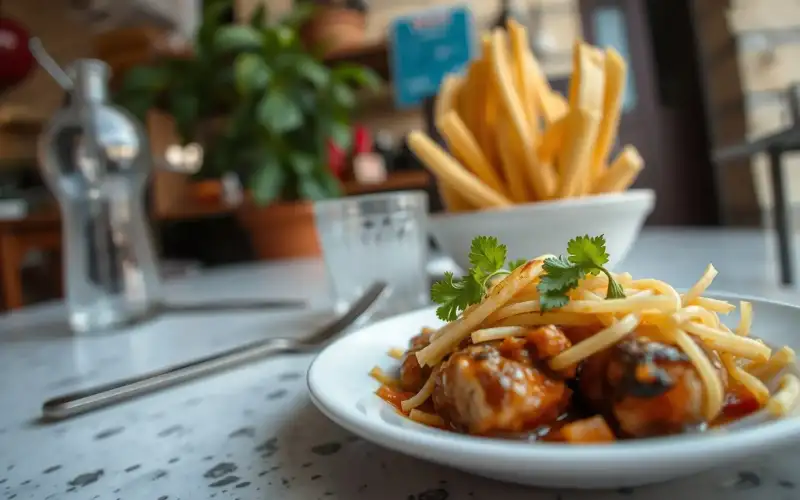
The kitchen at Taverna Yiorgos, tucked behind a laundry and a shuttered hairdresser on Larnaca Street, operates without a menu. Yiorgos Chrysostomou, now seventy-three, cooks what his mother taught him in 1968—the year before the Turkish invasion reshaped the island. On a Tuesday afternoon in March 2026, he's preparing saganaki for a table of four construction workers who've been coming for thirty years. The cheese hisses in the pan. He slides it onto a plate, squeezes lemon, and mutters something about tourists who think Famagusta means souvlaki stands near the Venetian walls.
This is where the real Famagusta food story begins—not in the waterfront establishments catering to cruise-ship passengers, but in the family-run tavernas, the hole-in-the-wall mezzedhes, and the home kitchens of East Cyprus where recipes have survived partition, tourism booms, and the relentless march of convenience food.
The Hidden Geography of Famagusta Eating
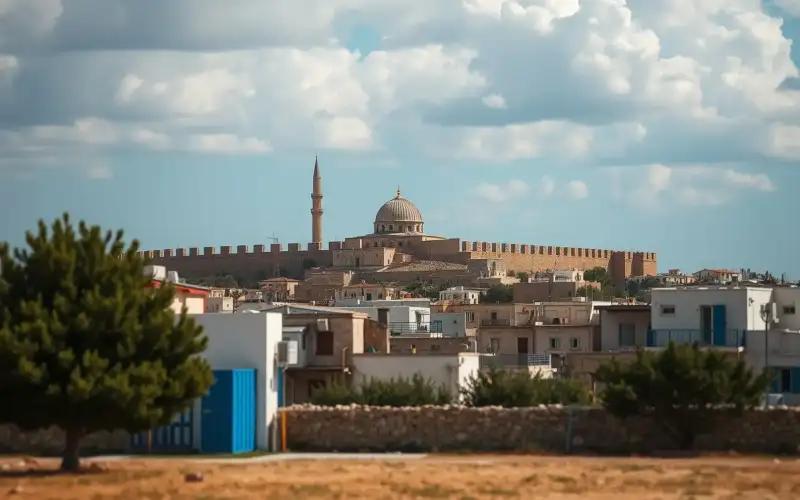
Most visitors to Famagusta follow a predictable circuit: the walled city, Salamis archaeological site, perhaps a beach near Karpas. Their meals follow a similar pattern—grilled meat, tourist-friendly portions, prices inflated for outsiders. The infrastructure exists for this. Restaurants near the Othello Tower know exactly how to serve groups of forty in ninety minutes.
But Famagusta's actual food culture exists in parallel. It occupies a different geography. The real restaurants cluster in the residential quarters—Varosha's edges, the neighbourhoods around Salamina Street, the side streets of the old Turkish quarter where Greek Cypriots still run family businesses. These places don't advertise in English. They don't have Instagram accounts. Many don't have websites. They survive because locals know them, because word spreads, because a construction company books a table for Friday lunch.
The distinction matters. A tourist restaurant in Famagusta operates on volume and turnover. A family taverna operates on reputation and consistency. The difference shows in the food immediately. At Taverna Yiorgos, the halloumi saganaki costs €4.50. The cheese comes from a supplier in Larnaca who sources from specific herds. Yiorgos knows the cheesemaker's daughter. The lemon is squeezed fresh. The oil is their own blend. These details—which sound precious when listed—simply reflect how the kitchen works when it's not designed around tourist economics.
Where Locals Actually Eat
Ask any Famagusta resident where they take visiting family, and a pattern emerges. Taverna Yiorgos appears frequently. So does To Perivoli (The Garden), a mezzedhes on the edge of the old town where the owner's mother still comes in most mornings to prepare meatballs. Psaropoulo, a fish taverna near the harbour, where the owner's son is slowly taking over and experimenting with minor menu changes that generate fierce debate among regulars.
These establishments share characteristics. They're family-owned, typically across two or three generations. They operate from modest spaces—sometimes no more than eight tables. They've survived because they're embedded in the community, not dependent on tourist flow. Their menus change with seasons and what's available. They close without announcement if the owner's unwell or if there's a family obligation.
The clientele tells you everything. At To Perivoli on a Friday lunch, you'll see construction workers, retired teachers, a group of women who meet weekly, a couple in their eighties who've been coming since 1982. You won't see many tourists. The ones who do appear are usually repeat visitors or people who've been directed there by locals who've adopted them.
The Specialties That Define East Cyprus
Cypriot cuisine is often presented as monolithic—a collection of mezze dishes, grilled meat, halloumi. The reality is more textured. East Cyprus, isolated by partition and geography, developed distinct preferences and techniques that differ from the island's western regions.
Take souvla. The western version, common in Limassol or Paphos, tends toward smaller pieces, faster cooking, a certain uniformity. East Cypriot souvla—the proper version—uses larger cuts of pork or lamb, cooked slowly over charcoal, basted with lard and herbs. The meat develops a crust while staying tender inside. It takes forty minutes minimum. Most tourist restaurants can't accommodate this. Psaropoulo serves it on Saturdays only, and you need to order by Thursday.
Sheftalia, the grilled minced meat wrapped in caul fat, appears everywhere. But the East Cypriot version includes a specific blend of herbs—oregano, mint, sometimes a touch of cinnamon—that differs from recipes further west. Yiorgos learned his from his mother, who learned it from her mother. He won't write it down. His daughter knows it. Whether his grandson will learn it remains uncertain.
The mezze tradition runs deeper here than in tourist contexts suggest. A proper mezze isn't a collection of appetizers to precede a main course. It's a meal structure—fifteen to twenty small dishes, eaten slowly, shared, accompanied by wine or raki. The composition varies by restaurant and season. At To Perivoli, a winter mezze might include saganaki, meatballs, grilled octopus, village salad, cheese pie, bean soup, olives, bread. A summer version substitutes lighter items—grilled vegetables, cold fish, fresh cheese.
Seasonal Rhythms and What's Actually Available
The tourist restaurant model requires consistency. The same dishes, available year-round, prepared identically. This creates a kind of culinary fiction—a Cyprus that doesn't actually exist, where tomatoes are always perfect, where all fish is available simultaneously, where supply chains never interrupt.
Real Famagusta restaurants work differently. Winter brings heavier foods—bean soups, meat stews, braised vegetables. Spring introduces lighter mezze items as vegetables come into season. Summer shifts toward fish and grilled items. Autumn brings game and mushrooms. This isn't romantic nostalgia. It's practical—seasonal food is cheaper, tastes better, and reflects how the local food system actually functions.
In March 2026, Psaropoulo's fish selection included sea bream, grouper, and small red mullet. By July, expect swordfish, amberjack, and occasionally lobster. The prices fluctuate accordingly. A tourist restaurant posts fixed prices and absorbs the variation. A family taverna passes it through—expensive in winter, reasonable in summer, exceptional in shoulder seasons when supply peaks but demand hasn't.
Interview: Keeping Traditions Alive
Mariana Loizidou, forty-eight, is the third generation running To Perivoli. Her grandmother opened it in 1956. Her mother expanded it in the 1980s. Mariana has held it steady, resisting pressure to modernize aggressively or chase the tourist market. She agreed to talk on a quiet Tuesday afternoon.
On why the restaurant hasn't changed much:

Comments (4 comments)