

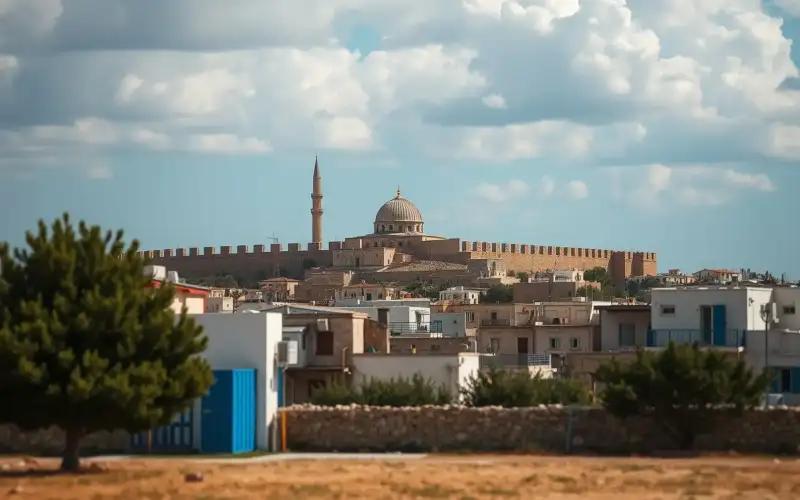
The fishing boats were still unloading their catch at 6 a.m. when I arrived in Bogazi, and the smell of salt and diesel reminded me why I'd come. This isn't Ayia Napa. There are no neon signs, no package tourists queuing for shots, no Instagram influencers posing with cocktails. What you get instead is a working village where a grilled sea bream costs €8, a double room runs €35 a night, and the locals still outnumber visitors by about fifty to one.
Bogazi sits roughly 25 kilometres north of Famagusta, tucked into the Iskele district on the quieter eastern coast. For British travellers accustomed to paying €15 for a mediocre souvlaki in Paphos, or £80 per night for a characterless hotel room, Bogazi feels like discovering money in your coat pocket. The catch is that you need to know where to look, and you need to be comfortable with a place that hasn't been packaged for tourism.
Getting There and Settling In
Most visitors fly into Larnaca, which is about 90 kilometres south. The drive takes roughly two hours via the coastal road, or you can take a shared taxi (known locally as a service taxi) for around €12-15 per person. There's also a bus service from Famagusta town, though schedules can be erratic—the 8:15 a.m. departure from Famagusta's central station usually gets you to Bogazi by 9:30 a.m., and the fare is €2.50.
Once you arrive, you'll notice the village spreads along a narrow coastal strip. The harbour sits at the southern end, where the fish tavernas cluster. Accommodation is scattered through the back streets, mostly family-run guesthouses rather than hotels. There's no tourism office, no glossy brochures, no official information desk. You navigate by asking locals, or by using your phone to find the few guesthouses listed online.
Where to Sleep Without Spending Much
Budget accommodation in Bogazi falls into two categories: guesthouses run by families who've converted spare rooms, and small hotels that cater to local workers rather than tourists. Neither category offers air-conditioned luxury, but both offer cleanliness, hot water, and a genuine welcome.
Family Guesthouses
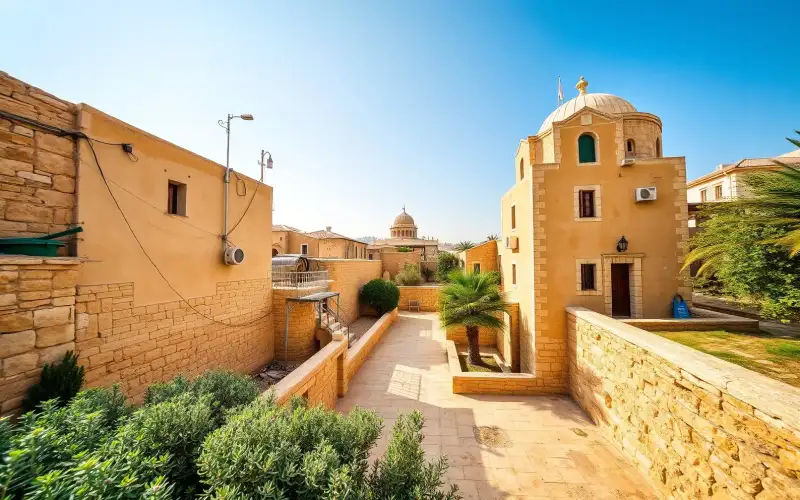
These are the real bargains. A typical setup is a whitewashed house with 3-5 rooms, run by a widow or retired couple who cook breakfast in the kitchen downstairs and let you use their refrigerator. Rooms usually have a single bed or a double, a small shower, and perhaps a balcony overlooking the street or the sea. Expect to pay €30-40 per night for a double room. Some include a basic breakfast—bread, cheese, olives, coffee—which saves you another €5-8 at a café.
Finding these places requires some legwork. Walk the backstreets near the harbour and look for hand-painted signs in Greek and English. Stop at the small supermarket near the main junction and ask the owner—they'll know which guesthouses have rooms free. Alternatively, ask at a fish taverna; the owners know everyone and will point you in the right direction. I stayed at a place called Maria's Rooms (no website, just a sign on a blue gate) where a double room with a sea view cost €35, and Maria herself cooked a three-course dinner for €12.
Small Hotels
There are perhaps five small hotels in Bogazi proper. Most are two or three storeys, with 15-25 rooms, and they're used to hosting Cypriot businessmen and construction workers rather than holiday tourists. They're functional rather than charming, but they're clean and reliable. Expect to pay €45-65 per night for a double room with air conditioning, private bathroom, and perhaps a small balcony. Some include breakfast; others charge €5-8 extra for it.
The advantage of a small hotel is consistency: you know what you're getting, there's a proper reception desk, and staff can help with transport or restaurant recommendations. The disadvantage is that you lose the personal touch and the sense of staying in a real Cypriot home.
Eating Well for Very Little
This is where Bogazi shines. The village has roughly a dozen fish tavernas, most of them right on the waterfront or within a minute's walk. They're not fancy—plastic chairs, paper napkins, menus scribbled on a board—but the fish is landed that morning, the cooking is straightforward, and the prices are genuine.
The Fish Tavernas
A typical meal works like this: you arrive, sit down, and the owner or waiter brings you a small plate of meze—olives, bread, perhaps some feta or a small salad—for free. You order grilled fish, usually priced by weight. A medium sea bream (about 300-400 grams) costs €8-12. A portion of grilled squid is €6-8. Octopus, which is often on the menu, runs €10-14 depending on size. Add a side of chips or a simple Greek salad (€3-4), a glass of local white wine (€2-3), and your total for two people is around €25-35.
The quality varies, but not dramatically. The fish is fresh because it's caught locally. The cooking is simple—salt, olive oil, lemon—because it doesn't need to be complicated. I've had worse fish in Michelin-starred restaurants in London.
Two tavernas stand out for consistency and value. The first, which locals call
Comments (0 comments)
No comments yet — be the first!