
Last October, I sat in a kitchen no bigger than my studio in Suffolk, watching a woman named Maria roll vine leaves with the same deliberate care I use when laying watercolour washes. She didn't speak English. I didn't speak much Turkish. But when the plate arrived—twenty perfect dolmas, still warm, glistening with olive oil and lemon—the conversation became unnecessary. This is what the tourists in the seafront hotels never taste. This is what happens when you slip past the Venetian gates of Famagusta's Old City and stop looking for the obvious.
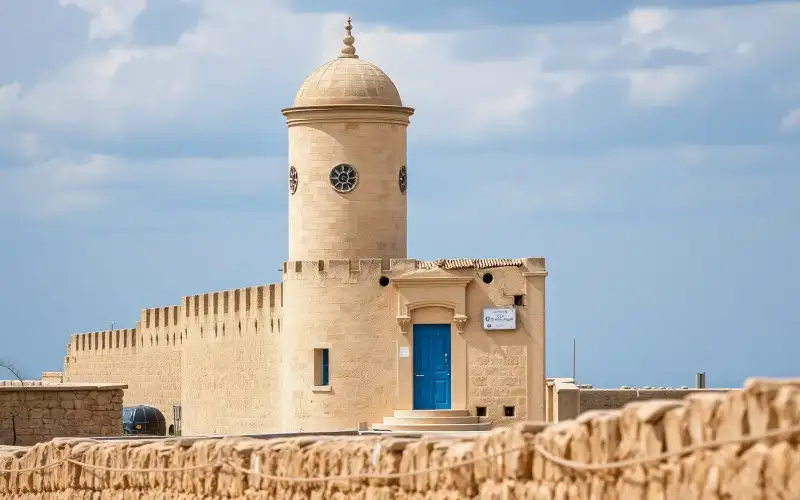
Most visitors to Famagusta follow the same script: the Lala Mustafa Pasha Mosque, the Othello Castle, perhaps a coffee in one of the three identical restaurants facing the harbour. Then they leave. They've ticked the boxes. But the real Famagusta—the one that tastes like thirty years of family recipes and smells like charcoal and wild oregano—lives in the narrow streets behind those walls. It lives in meze houses so small they don't have websites. Places where the owner's mother still cooks in the back, where the wine list is whatever the local producer made last year, where a full meal for two people costs less than a cocktail in the new resort towns.
Why Meze Houses Matter in Famagusta
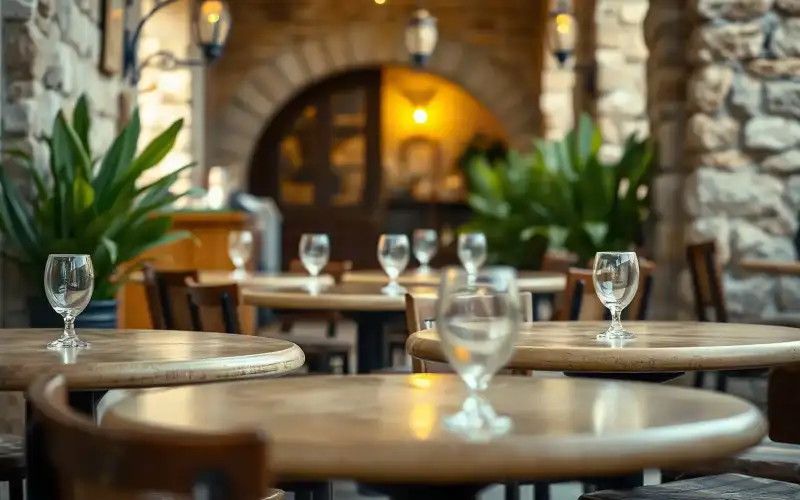
Meze houses aren't restaurants in the way most British travellers understand them. They're not designed for efficiency or turnover. A meze house is a social space where food is almost incidental—or rather, where food is so central that everything else falls away. You sit. You order. Small plates arrive. Wine appears. Hours pass. You're still there at midnight, talking to strangers who've become friends, eating things you didn't order because the owner's daughter insisted.
In Famagusta specifically, these places carry something else: they're repositories of a particular kind of Cypriot cooking that exists nowhere else on the island. The eastern peninsula—the Karpas—has its own food traditions, shaped by Ottoman influences, by isolation, by what grows in the soil and what fishermen bring to the dock. You'll find dishes here that you won't find in Larnaca or Paphos. Squid cooked in its own ink. Cheese pastries flavoured with mahlab. Meatballs made with pine nuts and pomegranate molasses. These aren't tourist dishes. They're not on Instagram. They exist because families have been making them this way for generations.
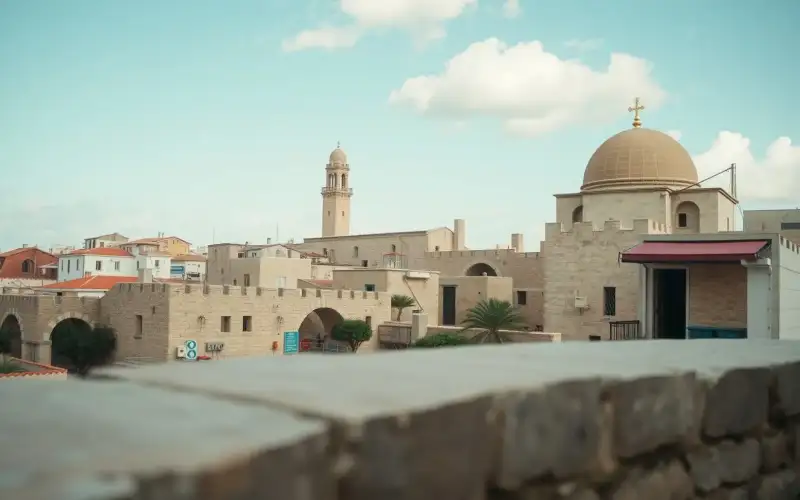
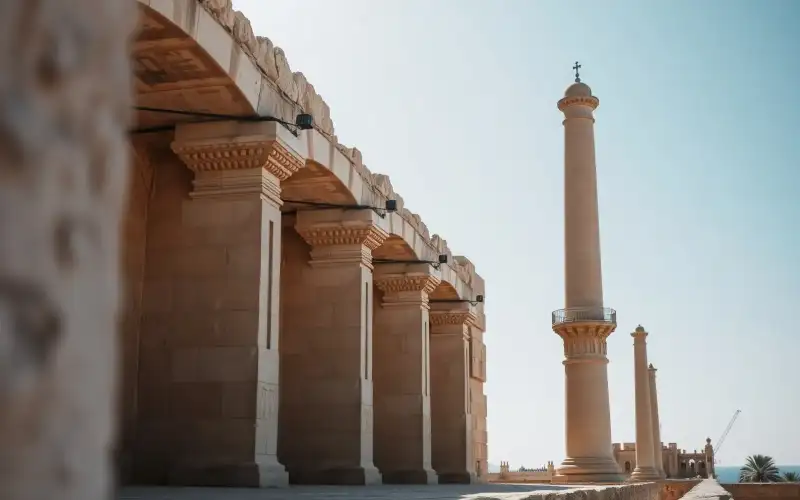
The Venetian walls themselves matter too. Built in the 16th century to keep invaders out, they've ended up keeping something else in: a particular way of life. Inside those walls, time moves differently. The streets are narrow enough that you can almost touch both sides. The buildings lean inward. There are no chain stores, no international brands, no visible concessions to the modern world. It's not a museum—people actually live here, actually work here—but it feels like stepping into a different century. And the meze houses fit perfectly into that atmosphere. They belong there in a way that no modern restaurant ever could.
How to Find Meze Houses Inside the Walls
This is the first practical hurdle. Unlike the seafront restaurants with their English menus and picture boards, the meze houses inside the Old City don't advertise. Many don't have signs at all. You'll recognize them by the smell—charcoal, herbs, and something deeper, less definable—and by the fact that everyone eating there appears to be local.
The best way to find them is to ask. Not the hotel concierge (they'll send you to their commission partners). Ask the taxi driver. Ask the man selling newspapers near the gate. Ask anyone over sixty who looks like they've lived there forever. These people know where the good food is, and they're usually delighted to point you toward it. In 2026, even the smallest meze houses have phone numbers. Call ahead. This isn't just polite; it's essential. Many of these places seat fewer than thirty people. On a Friday or Saturday night, they fill up fast, and once they're full, they're full. The owner won't turn people away, but they might seat you at 10 p.m. instead of 8 p.m.
Bring cash. Most meze houses inside the walls don't take cards. There's usually an ATM somewhere nearby, but don't assume. Bring euros or Cyprus pounds. Bring patience. Bring the understanding that service moves at a different speed than you're used to. This isn't inefficiency; it's intentionality.
Six Meze Houses Worth Finding
Taverna Maria—Liman Sokağı
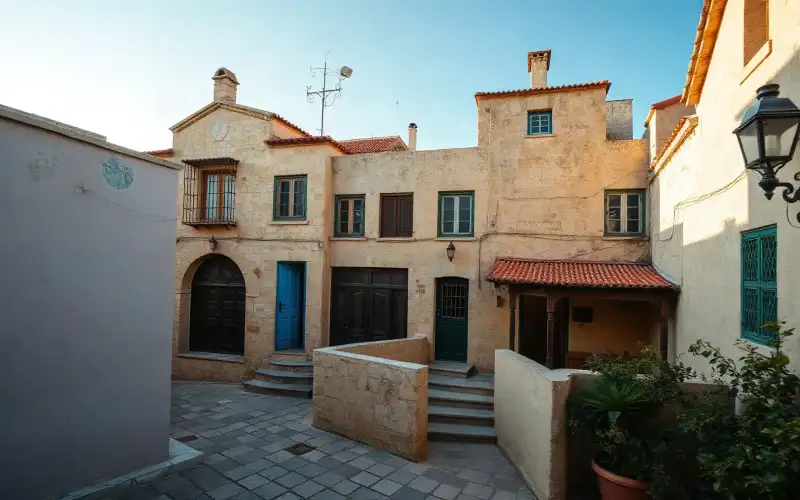
Maria's place sits on a corner street so narrow that two people can barely pass. There's no sign. The door is blue. Inside, there are six tables, each one covered with a white cloth and a small vase of plastic flowers that somehow doesn't feel cheap. Maria herself—the woman I mentioned earlier—is usually in the kitchen. Her son, Mehmet, handles front of house, though he mostly just brings plates and refills glasses without being asked.
The menu doesn't exist. You eat what Maria made that day. On my October visit, that meant dolmas (twenty of them, as I said), a plate of grilled halloumi that had been aged for three years, a fish soup so rich it could have been a main course, and a lamb shoulder that had been slow-cooked for what felt like several days. The wine came from a producer in the Kyrenia mountains—a white, slightly oxidized, tasting of stone and almonds. Cost for two people, including wine: €32.
Maria's is open most days, closed Sundays. Call Mehmet on 0392 365 2847. Tell him Imogen sent you. He won't know who you are, but he'll smile anyway. Arrive at 8 p.m. or earlier. After 9 p.m., the kitchen gets crowded, and you might wait an hour for food.
Eski Liman Balık Evi—Near the Harbour Gate
This one translates to
Comments (0 comments)
No comments yet — be the first!