
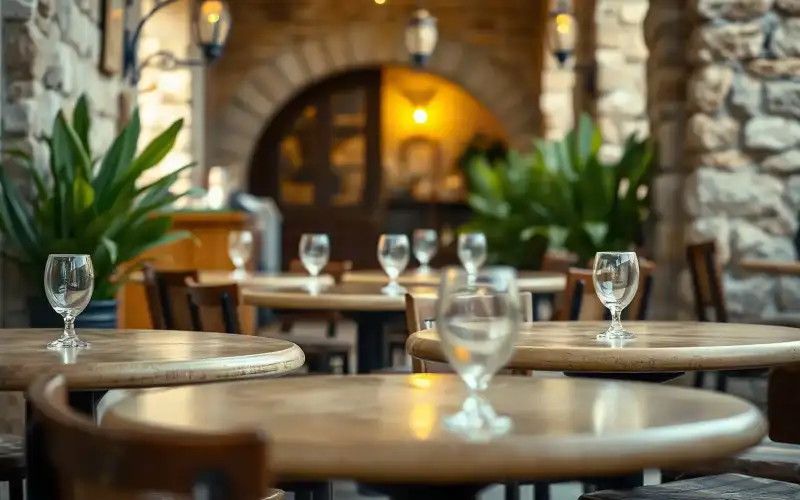
Last September, I sat in a cramped kitchen behind a small meze house in Varosha's fringe—the kind of place no guidebook mentions—watching Yiannis roll grape leaves by hand while his wife Maria prepared the day's portions of stifado. The restaurant seats perhaps thirty people. They don't have a website. They've never advertised. Yet locals queue at the door most evenings. When I asked Yiannis why he didn't expand, offer delivery, push harder for tourist trade, he laughed. "Why would I want to work more and enjoy life less?" That question—and his answer—captures something essential about responsible travel in Famagusta.
The eastern coast of Cyprus remains refreshingly untouched by mass tourism. Famagusta, Salamis, and the villages threading up the Karpas peninsula attract fewer visitors than Paphos or Larnaca. This fragility is both opportunity and responsibility. How you spend money here, where you eat, what you touch, whether you ask permission before photographing—these choices ripple through small communities in ways they rarely do in busier resorts. This guide explores how to travel through this region with intention, supporting the people and places that make it worth visiting.
Why Does Responsible Travel Matter in Famagusta?
Famagusta's economy depends almost entirely on tourism and agriculture. Unlike the developed resorts of the west, there's no industrial base, no major corporate presence. When you eat at a family taverna rather than an international chain, that money stays in the family. When you hire a local guide instead of booking a tour from Paphos, you're directly supporting someone's livelihood. The archaeological sites—Salamis, St. Barnabas Monastery, the castle ruins—attract visitors precisely because they remain relatively unspoiled. One careless visitor touching frescoes or removing a stone matters more here than in sites with thousands of daily visitors.
The Karpas peninsula is particularly vulnerable. Its villages—Dipkarpaz, Sipahi, Agia Trias—have experienced steady population decline as young people migrate to Nicosia or abroad seeking work. Tourism, done thoughtfully, offers an economic lifeline without requiring residents to abandon their homes. Conversely, tourism done carelessly—littering beaches, disrespecting private property, demanding English menus and Western toilets—erodes the very authenticity that makes the region worth visiting.
Climate change adds urgency. The Mediterranean beaches here face erosion. Water is increasingly precious. Waste management in rural villages remains challenging. Your footprint, however small it seems, matters proportionally more in places with limited infrastructure.
Eating Well and Supporting Local Food Culture
Food is the most direct way to support local communities. A meal at a family-run taverna puts money directly into someone's pocket. It also tastes better—I've yet to encounter a mediocre meze house run by locals.
Finding Authentic Tavernas
The best tavernas don't advertise heavily. Walk through Famagusta's old town in the early evening and look for places where locals eat. If you see a queue of Cypriot families at 7 p.m., that's your cue. Ask your hotel owner (particularly if they're local) for recommendations. In smaller villages, there may be only one taverna—go there. The owner likely sources meat from a neighbour, vegetables from their own garden or the village market.
Expect simplicity. A proper meze might include halloumi, olives, dolmades, souvlaki, salad, bread, and wine—perhaps €12–18 per person. Prices in 2026 have risen modestly; a meal for two with wine costs €30–45 at village tavernas, €45–70 in Famagusta town. These margins are thin. Staff often work long hours for modest wages.
Respecting Food and Seasonal Eating
Cyprus has seasons. In summer, expect tomatoes, courgettes, watermelon. In winter, leafy greens, citrus, game. Restaurants serving strawberries in January have imported them—at environmental cost and often from industrial farms. Eating seasonally supports local farmers and reduces your carbon footprint. Ask what's local. Most taverna owners are happy to explain where their ingredients come from.
Don't waste food. Cypriot portions are generous. Order conservatively, or share. If you can't finish something, ask to take it home—it's normal practice, not insulting.
Understanding Labour and Fair Wages
Hospitality workers in rural Cyprus earn modest wages, often €900–1,200 monthly. Tips are not obligatory but deeply appreciated. If service is good, leaving 5–10% is kind and helps. For excellent service, 10–15% is generous. In village tavernas, the owner often cooks and serves; a small tip acknowledges their effort.
Respecting Archaeological and Cultural Sites
Famagusta's history is staggering: Salamis was once the island's richest city; St. Barnabas Monastery dates to the 5th century; the Venetian castle dominated Mediterranean trade. These sites are fragile and irreplaceable.
Visiting Salamis Responsibly
Salamis attracts perhaps 200–400 visitors daily—manageable numbers that allow genuine experience. The site covers several square kilometres; most visitors spend 2–3 hours. The entrance fee (€9 in 2026, though prices fluctuate) supports site maintenance. Stay on marked paths. Don't climb on ancient stonework for photographs—it damages the structures and you can fall. Don't touch frescoes or carved reliefs; oils from skin accelerate deterioration.
Hire a licensed guide if possible (€35–50 for two hours). Guides are usually retired teachers or archaeologists; your money supports their pensions. They'll show you details invisible to casual visitors—the engineering of the aqueduct, the symbolism of mosaics, the layout of the Byzantine city atop the Greek one.
Monastery and Church Etiquette
St. Barnabas Monastery and smaller churches throughout the Karpas are active or semi-active religious sites. Dress respectfully: covered shoulders and knees. Women may need a headscarf in active monasteries. Photographs inside are often prohibited—ask first. Don't touch icons or religious objects. If you encounter a priest or nun, a greeting in Greek ("Kalispéra"—good evening) is appreciated.
The Walled City of Famagusta
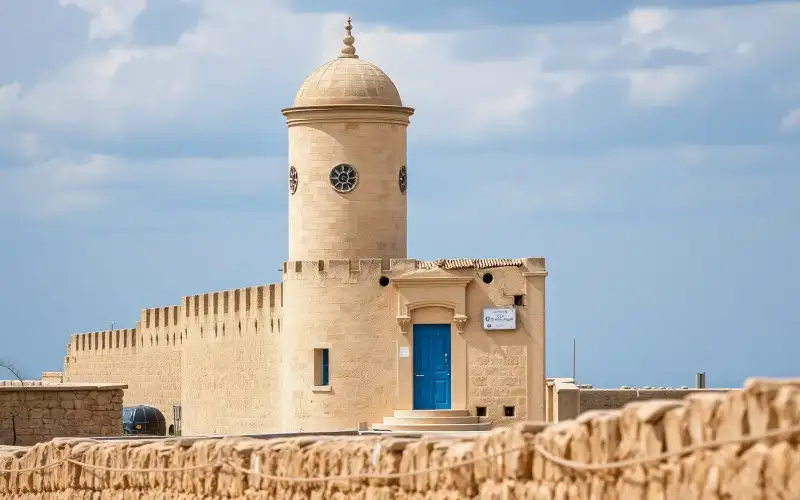
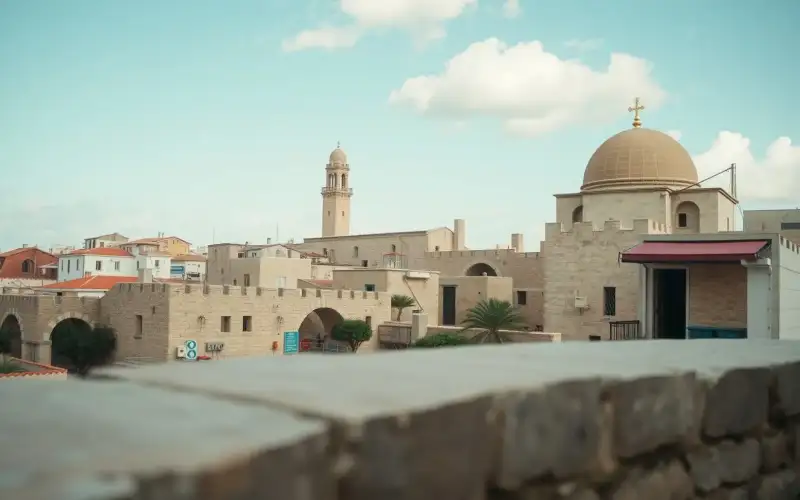
The old town's narrow streets, Venetian walls, and mosques-turned-churches tell centuries of occupation. Wander slowly. Respect private homes—don't photograph people without asking. Some streets are residential; you're a guest. The Lala Mustafa Pasha Mosque (originally St. Nicholas Cathedral) is beautiful; remove shoes and ask permission to enter.
Environmental Responsibility and Waste
Rural Cyprus struggles with waste management. Recycling infrastructure is limited. Plastic pollution affects beaches and marine life. Your choices reduce strain on local systems.
Beach and Marine Protection
Take all rubbish with you—nothing should be left on beaches. Cigarette butts, microplastics in sunscreen, and discarded fishing line harm sea turtles and fish. Use reef-safe sunscreen (zinc oxide or titanium dioxide, no oxybenzone). The waters here support loggerhead turtles; your sunscreen affects their survival.
Don't collect shells, stones, or corals as souvenirs. Each removal disrupts ecosystems. Photograph instead; the image lasts longer and harms nothing.
Water Conservation
Cyprus is water-stressed. Showers should be brief. Don't request fresh towels daily in hotels—reuse them. Many accommodations use desalinated water, an energy-intensive process. In summer 2026, water rationing has affected some villages; ask your hosts what's appropriate.
Reducing Plastic
Carry a reusable water bottle. Fill it at your accommodation or ask at tavernas. Plastic bags are still common in Cyprus; bring your own or refuse them. When shopping at village markets, bring a bag. These small choices signal that you value the environment—locals notice and appreciate it.
Supporting Artisans and Small Businesses
Beyond tavernas, Famagusta has skilled craftspeople: painters, potters, textile workers, woodcarvers. Buying directly from them ensures your money supports their practice.
Where to Find Local Artisans
Village squares often host informal markets. In Dipkarpaz, the Friday morning market includes local honey, lace, and preserved fruits. Prices are fair because there's no middleman. A jar of thyme honey (€6–8) supports a beekeeper for weeks. Hand-embroidered linen (€25–50) represents hours of work. These purchases are investments in cultural continuity.
Some artisans work from home studios. Ask your hotel owner for introductions. A painter or potter will gladly show you their work if you're genuinely interested. Buying directly—even a small piece—matters.
Avoiding Mass-Produced "Souvenirs"
Tourist shops in Famagusta town sell identical items: ceramic cats, generic "Cyprus" towels, factory-made "traditional" crafts. These are imported, profit margins go to distant distributors, and they're forgettable. Instead, seek local work: a watercolour by a Karpas artist, pottery from a Dipkarpaz studio, lace from a village woman. These carry meaning and memory.
Engaging with Communities Respectfully
The greatest gift you can offer is genuine curiosity and respect for local life.
Language and Greetings
Learn basic Greek. "Kalispéra" (good evening), "Kaliméra" (good morning), "Efharistó" (thank you), "Parakálo" (please). Locals appreciate the effort enormously. In villages, English is less common; a phrasebook or phone translation app helps. Speaking slowly and clearly, never slowly and loudly, is key.
Photography Ethics
Always ask before photographing people. In villages, particularly among elderly residents, this is essential. A simple gesture and smile often suffice. Never photograph children without parental permission. Avoid photographing people at prayer or in private moments. Photography should be about capturing beauty and connection, not extracting moments for social media.
Understanding Local History
Famagusta's recent history is complex: Turkish invasion in 1974, the division of the island, displacement of populations on both sides, ongoing political tension. These remain sensitive topics. Listen more than you speak. If locals share stories, listen with respect. Don't make assumptions or political statements. The goal is understanding, not judgment.
Choosing Accommodation Wisely
Where you stay shapes your impact. Small guesthouses run by families differ enormously from even mid-sized hotels.
Family-Run Guesthouses and Village Stays
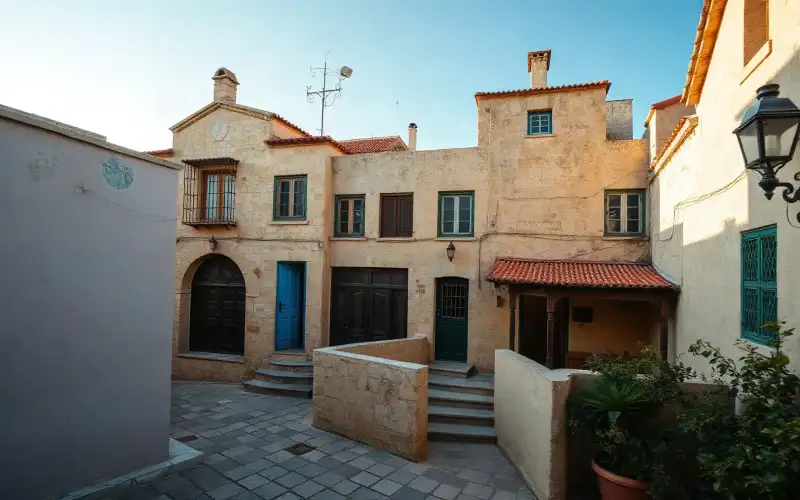
A room in a family home (€40–70 nightly) puts money directly to the family. You'll receive breakfast, often made from their own produce. You'll hear local stories. The owner might arrange a meal with neighbours or suggest walking routes invisible to guidebooks. These experiences are irreplaceable and ethical.
Larger Hotels and Their Role
Famagusta has several hotels with 50+ rooms. They employ more staff and generate more tax revenue. The compromise: less personal connection, more standardized experience. If you choose a larger hotel, select one that employs locals, sources food locally, and manages waste responsibly. Ask questions during booking.
Practical Responsible Travel Checklist for Famagusta 2026
| Area | Action | Why It Matters |
|---|---|---|
| Food | Eat at local tavernas; ask where food comes from | Money stays in community; seasonal eating reduces carbon footprint |
| Sites | Hire local guides; stay on marked paths; ask before photographing | Direct support for guides; protects fragile heritage |
| Waste | Carry all rubbish; use reef-safe sunscreen; refill water bottles | Reduces strain on local waste systems and marine ecosystems |
| Shopping | Buy directly from artisans; avoid mass-produced souvenirs | Supports cultural continuity; fair wages for makers |
| Community | Learn basic Greek; ask permission for photos; listen to stories | Shows respect; builds genuine connection |
| Accommodation | Choose family-run guesthouses when possible | Direct economic benefit; personal cultural exchange |
The Larger Picture: Why Slow Travel Matters Here
Responsible travel and slow travel are intertwined. When you spend three days in a village instead of three hours, you eat multiple meals locally, hire guides, chat with shopkeepers, understand rhythms beyond tourism. You become less a consumer and more a temporary resident. Locals perceive the difference—they're generous to visitors who show genuine interest.
The Karpas peninsula in particular rewards slowness. There are no major attractions that demand rapid transit. Instead, there's the experience of sitting in a village square at dusk, watching swallows dart between stone houses. There's conversation with a potter about her work. There's understanding, finally, why Yiannis chooses a quiet taverna over expansion and wealth.
Travel here responsibly, and you'll leave richer in ways that don't appear on credit card statements. The villages remain viable. The sites remain intact. The food tastes of the land that grew it. And you'll have genuinely connected with people and places—which is, ultimately, why we travel.
Comments (4 comments)