
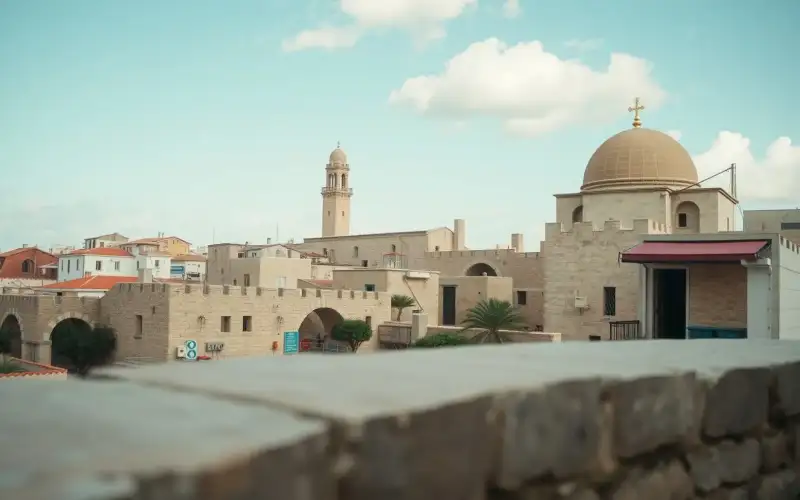
Three hours into my first evening in Famagusta, sitting in a cramped kitchen behind a shuttered storefront on Liman Caddesi, I watched a woman in her seventies roll out pastry so thin you could read newsprint through it. Her name was Sevgi, and she'd been making the same cigar-shaped börek—meat wrapped in phyllo—since 1987. "People come for the restaurants," she said, nodding toward the seafront hotels. "But they eat here because they're hungry." That distinction matters. Famagusta's culinary landscape isn't built on Instagram moments or Michelin stars. It's built on repetition, ingredient knowledge, and the kind of cooking that happens when someone has made the same dish five thousand times.
The food of Eastern Cyprus tells a different story than you'll hear in Paphos or Nicosia. This corner of the island absorbed Ottoman, Venetian, and Arab influences in ways that left deeper marks on the kitchen than elsewhere. The cooking is less refined than the capital's, less polished than the resort towns. It's also more honest. Famagusta sits at the edge of things—geographically, politically, culturally—and that marginal position has preserved food traditions that softened or vanished in busier parts of the island.
1. The Meze House Hierarchy: Where Locals Actually Gather
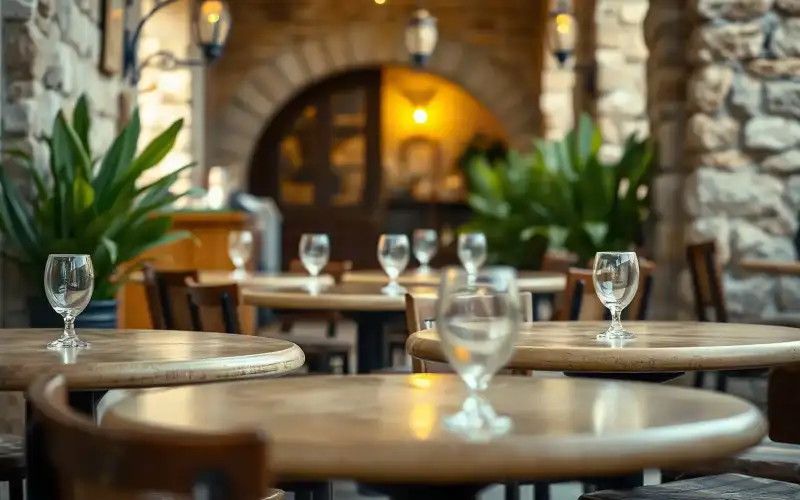
Walk into a proper Cypriot meze house and you're not ordering a meal—you're witnessing a social transaction. Meze (or mezze) isn't appetizers in the Western sense. It's a philosophy: small plates, shared dishes, the idea that eating is something you do slowly, with people, over hours. The best meze houses in Famagusta operate on an unwritten hierarchy that takes months to understand.
Start with the tavernas clustered around the old harbour near the Venetian walls. Pia Bella and similar establishments cater to tourists, which isn't necessarily bad—they're competent, the halloumi is properly fried, the wine is cold. But they're also the bottom rung. Locals eat there when they're bringing visiting relatives, not when they're hungry. The real meze houses are scattered through residential neighbourhoods: Varosha's outer edges, the streets behind the mosque on İstiklal Caddesi, the unmarked places where you need a local's nod to feel welcome.
These family-run operations—many with no signage, operating from converted houses—serve meze spreads that cost 18-28 euros per person and include ten to fifteen dishes. You'll get saganaki (fried cheese), octopus in wine, small grilled fish, meatballs, village salad, bread, and whatever the kitchen made that morning. The owner decides what you eat. Ordering from a menu defeats the purpose. I spent an evening at one such place on Salamis Street (I'm keeping the name private—locals prefer it that way) where the spread included dishes I couldn't identify until I asked. One turned out to be pastitsada—rabbit stewed in wine and tomato, a dish that's nearly extinct outside family kitchens.
2. Regional Specialties: What Makes Eastern Cyprus Different
Cypriot cuisine shares certain dishes across the island, but Famagusta's version of those dishes—and the specialties unique to this region—reflect centuries of different occupation and trade. The Turkish influence is heavier here than in the south. Greek and Arab cooking left marks too.
Halloumi and its cousins: Yes, halloumi appears everywhere in Cyprus. But in Famagusta, you'll encounter it in forms that have nearly vanished elsewhere. Grilled halloumi with honey and sesame is standard. Halloumi saganaki (fried until the edges char and the interior stays soft) is everywhere. But ask for halloumi pastitsio—layers of pasta, béchamel, and halloumi baked until the cheese gets this strange, almost meaty texture—and you're eating something specific to Eastern Cyprus. The version at family tavernas around Salamis Street uses a slightly older, sharper halloumi than the tourist-focused restaurants, and the difference is noticeable.
Souvla and the grilled meat tradition: Souvla (meat cooked on skewers over charcoal) appears throughout Cyprus, but Famagusta's version reflects the Ottoman legacy. The meat—pork in the Greek areas, lamb or chicken in the Turkish areas—is marinated differently here. You'll find cumin, cinnamon, and sumac in marinades that rarely appear in the south. The best souvla vendors work from small charcoal stations, often in car parks or on street corners. They're not restaurants. They're specialists. One vendor near the old clock tower has been grilling the same cuts of pork for thirty-two years. The meat costs 7-9 euros per skewer.
Pastitsada and stewed meats: This rabbit stew, which I mentioned earlier, is the dish that made me understand how regional Famagusta's food actually is. It's not listed in most guidebooks. You find it in homes, in family tavernas, occasionally in the older meze houses. The recipe varies—some cooks add tomato, others use wine as the primary liquid—but the constant is slow cooking that turns tough meat into something that falls off the bone. Chicken pastitsada exists too, and it's easier to find, but the rabbit version is the original.
3. The Market Economy: Where Ingredients Tell the Story
The covered market in central Famagusta (Pazar) opens at 6 a.m. and empties by 2 p.m. It's where the island's food actually begins. Restaurants buy here. Home cooks buy here. The market tells you what's in season, what's local, and what's worth eating right now.
In spring (March-May), you'll see wild greens bundled by the kilo: horta, dandelion, amaranth. These appear on meze tables as simple boiled vegetables dressed with lemon and olive oil. In summer, tomatoes dominate—not the watery supermarket varieties, but thick-walled, flavourful heirlooms that taste like actual tomatoes. The stall holders know which varieties are best for salad, which for cooking, which for sauce. They'll tell you if you ask. Autumn brings grapes, figs, and quinces. Winter is when you see the preserved goods: olives in various stages of cure, dried herbs, preserved lemons.
The olive oil here is different from what you'll find in tourist shops. The local production is small-scale, often unfiltered, sometimes cloudy. The flavour is grassy, peppery, intense. A litre costs 8-12 euros at the market, versus 15-25 in tourist shops. This is the oil that appears in taverna kitchens, the oil that makes simple dishes taste like something more.
4. Traditional Cooking Methods: The Slow Food That Never Left
Modern Famagusta has supermarkets, microwaves, and delivery apps. But the food that matters—the food that defines the region—still relies on techniques that predate electricity.
Wood-fired ovens: Several bakeries and tavernas in Famagusta still use wood-fired ovens. The most famous is the communal bakery near Salamis, where locals bring dough and pay a small fee to have it baked. The oven has been burning continuously for over eighty years. The bread that emerges has a crust that shatters when you bite it and an interior with irregular holes and a slight sourness that comes from the slow fermentation and the oven's heat. You can't replicate this with electric ovens. The flavour is literally impossible to achieve otherwise.
Charcoal grilling: Every taverna worth visiting has a charcoal grill visible from the dining area. This isn't decoration—it's the primary cooking method for meat and fish. The skill lies in managing the heat, knowing when the coals are ready, understanding how different cuts behave over different temperatures. A good grill cook can tell by looking at meat whether it's done. They don't cut into it. They don't use timers. This knowledge takes years.
Slow stewing and braising: Dishes like pastitsada, stifado (meat stewed with onions), and various fish stews require hours of cooking. These are weekend dishes, family dishes, the kind of food you plan for. The slow cooking breaks down connective tissue, melds flavours, creates something that tastes like comfort and time investment. You can't rush it. Most tavernas prepare these dishes in the morning, let them sit all day, and serve them in the evening. The flavour improves as the dish sits.
5. The Taverna Map: Where to Actually Eat
A taxonomy of Famagusta's eating establishments, from most touristy to most local:
- Waterfront restaurants (Liman area): Visible from the street, English menus, reasonable quality, 25-45 euros per person. Good for a first evening, not where you'll find the real food.
- Mid-range family restaurants: Scattered through residential areas, often family-run for 20+ years, modest décor, 15-30 euros per person. This is where you start finding actual regional dishes.
- Unmarked meze houses: No signage, accessed through word-of-mouth, 18-28 euros per person, the owner decides what you eat. This is where the food gets real.
- Street food and market vendors: Souvla stations, börek sellers, bakeries. 3-9 euros per item. Often the best value and most authentic.
6. Seasonal Eating: What to Eat When
Famagusta's food changes with the seasons in ways that matter. Spring brings fresh greens and the first fish of the year. Summer is dominated by tomatoes, cucumbers, and grilled vegetables. Autumn brings game (rabbit, quail) and preserved preparations. Winter is when you eat stews and slow-cooked dishes.
If you're visiting in spring (March-May), prioritize the wild greens and fresh fish. In summer (June-August), eat tomato-based dishes and grilled vegetables. Autumn (September-November) is when to seek out pastitsada and game dishes. Winter (December-February) is stew season and the time when preserved foods shine.
7. Practical Details: Hours, Prices, and Expectations
Most tavernas open for lunch around 12 p.m. and close by 3 p.m., then reopen for dinner around 7 p.m. Meze houses often stay open continuously from lunch through late evening. Street vendors operate in the morning (6-10 a.m.) and early afternoon (1-4 p.m.). The market is busiest in the early morning. Wine in tavernas costs 2.50-5 euros per glass. Coffee costs 1.50-2.50 euros. A full meze spread serves two people and costs 35-55 euros total.
Dress code is casual everywhere. Reservations are necessary at nicer restaurants on weekends, unnecessary at family tavernas. Tipping is appreciated but not expected—10% is standard if you're inclined. Most places accept cards now, but cash is still preferred at street vendors and smaller establishments.
8. Beyond the City: Salamis and the Karpas Peninsula
The ruins at Salamis sit thirty kilometers north of Famagusta city centre. The small restaurants near the archaeological site cater to day-trippers, which means they're generally mediocre. Better to eat in Famagusta proper and make Salamis a morning visit. The Karpas Peninsula, stretching eastward, has fewer restaurants but some excellent small family operations. The village of Dipkarpaz (Rizokarpaso), at the peninsula's tip, has several tavernas that serve fish caught that morning. The drive takes ninety minutes from Famagusta city centre, making it a full-day expedition.
Bonus Tip: The Coffee Culture and Street Snacks
Turkish coffee remains the default in Famagusta, served in small cups with grounds settling at the bottom. The preparation matters—the coffee is heated slowly, removed just before boiling, poured into cups, then reheated. A proper cup costs 1.50 euros and takes five minutes to drink properly. This is not something to rush.
Street snacks worth seeking: simit (sesame-covered bread rings), börek (meat or cheese pastries), and gözleme (flatbread with cheese or spinach filling). These cost 1-3 euros and are often better than restaurant food at three times the price.
I spent a morning following a simit vendor through the streets near the old town. He'd been working the same route for twenty-six years, starting at 6 a.m., finishing by 10 a.m. His simit was noticeably better than versions I'd eaten elsewhere—the sesame seeds were fresher, the dough had better texture. When I asked why, he said he baked them at 4 a.m. in a small oven behind his house, then walked them through the neighbourhood while they were still warm. The simplicity of the operation—a man, bread, seeds, consistency—explained everything about why the food tasted so good.
Conclusion: Eating Like You Belong
The best food in Famagusta isn't in the guidebooks or on travel websites. It's in the spaces between the tourist infrastructure—the unmarked tavernas, the market stalls, the charcoal grills in car parks, the communal bakery where locals bring their dough. Learning to eat well here means abandoning the expectation that restaurants should be obvious, that menus should be in English, that someone should be trying to impress you with presentation.
It means sitting in a kitchen watching someone roll phyllo, asking what's in the pot, accepting whatever meze the owner decides you should eat, drinking coffee slowly, and understanding that the best meals rarely look like much until you taste them. This is how Famagusta eats. This is what's worth eating here.
Comments (4 comments)