
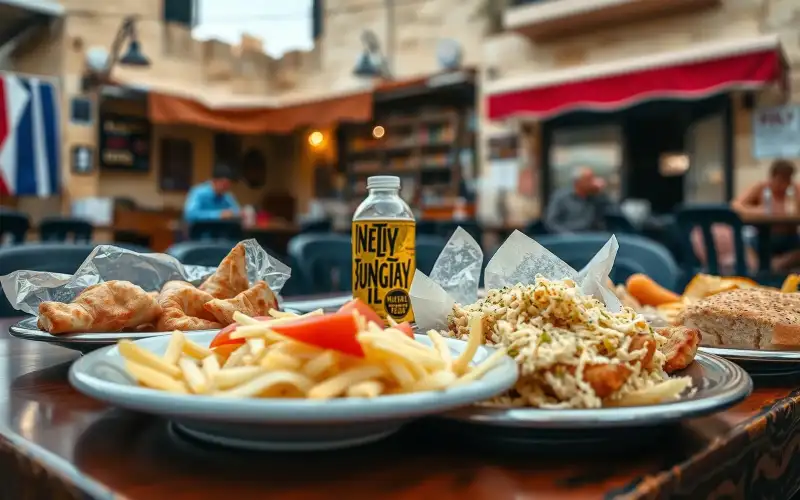
I arrived at a taverna near the Citadel one October evening in 2003, armed with a guidebook and zero Greek. The owner took one look at my menu and threw it away. "You order what I cook today," he said, disappearing into the kitchen. Two hours later, I'd eaten the best meal of my trip—and learned the first rule of Cypriot dining: abandon your expectations and trust the cook.
Twenty years later, that principle still holds. Famagusta's food scene hasn't been colonised by international chains or Instagram aesthetics. The restaurants that matter still operate on trust, seasonality, and the conviction that food cooked quickly is food cooked wrong. This guide walks you through ordering, understanding the customs, and finding the places where locals actually eat—not the ones with laminated menus facing the street.
What You'll Learn in This Guide
By the end of this article, you'll know how to navigate a Cypriot taverna with confidence. You'll understand the difference between meze and a meze feast, why souvla takes an hour, and which dishes signal a restaurant worth returning to. You'll also learn the unwritten rules: when to arrive, how to order without pointing, and why the cheapest option is often the best.
This isn't a restaurant review guide—those change monthly. Instead, it's a framework for finding authentic food wherever you are in Famagusta and the surrounding Karpas peninsula. Whether you're renting an apartment and cooking some nights, or eating out daily, these principles will serve you well.
Prerequisites: What You Need to Know Before You Start
Timing and Seasonality
Cypriot restaurants don't operate on tourist time. Dinner doesn't start until 8 p.m. in summer, 7:30 p.m. in winter. If you arrive at 6 p.m., you'll find the kitchen closed and staff setting tables. This isn't laziness—it's rhythm. Locals eat late, and the kitchen prepares for them. Arriving at 8:30 p.m. or 9 p.m. is normal. Arriving at 6 p.m. marks you as foreign immediately.
Seasonality matters more than you'd expect in a Mediterranean climate. October through April brings different vegetables, different fish, different specials. In summer, expect tomatoes, courgettes, and fish from the daily boats. In winter, look for wild greens (horta), root vegetables, and heartier meat dishes. A restaurant's willingness to change its menu by season is a sign it's buying local and cooking honestly.
The Meze Concept
Meze isn't an appetiser—it's a philosophy. In Cyprus, it's a series of small dishes, usually shared, that can constitute an entire meal or precede a main course. A proper meze spread in Famagusta includes halloumi (the squeaky cheese, fried), saganaki (fried cheese with lemon), tzatziki (yoghurt and cucumber), melitzanosalata (aubergine purée), taramosalata (fish roe spread), olives, bread, and often a hot dish like sheftalia (spiced meat rolls). The key: meze are social. You don't order them alone. You order them to share, to talk over, to linger with.
Currency and Payment
Famagusta uses the euro. A full dinner for two—meze, main course, wine, coffee—costs €35–€55 in a proper taverna. Budget restaurants charge €20–€30. Tourist traps near the harbour charge €50–€80 for identical food. Cash is still preferred in smaller places, though most accept cards now. Tipping is not obligatory but 5–10% is appreciated if service was good.
Language Basics
You don't need Greek, but a few words help. "Kalispéra" (good evening) opens doors. "Efharistó" (thank you) and "parakaló" (please) cost nothing. Point at other tables' food and say "Thélo afto" (I want that). Most owners in Famagusta speak English, but showing effort in Greek—even badly—changes how you're treated. You'll get better food, better attention, and better prices.
Restaurant Types
Famagusta has three types of eating places worth visiting. Tavernas are family-run, informal, with simple decor and serious food. Psistaries specialise in grilled meat—souvla, keftedes, pork chops. Fish tavernas operate near the harbour and old town, serving fresh catch daily. Avoid places with picture menus, neon signs, and staff hovering outside trying to pull you in. These cater to cruise ship tourists and serve microwaved food.
Step 1: Choose Your Restaurant Type Based on What You Want to Eat
This seems obvious but isn't. Your destination determines your restaurant. If you want souvla, go to a psistaria. If you want fish, go to the harbour. If you want a proper meze feast, find a family taverna away from the old town.
For souvla (meat cooked slowly on a vertical spit), seek out psistaries in the Varosha suburb or near the football stadium. These places are basic—plastic chairs, no frills, open kitchen. The owner buys meat at dawn, starts the spit at 10 a.m., and by 8 p.m. has pork, chicken, and lamb rotating. Souvla takes time—order it and expect to wait 45 minutes to an hour. This isn't laziness either. Proper souvla is cooked low and slow, never rushed. If it arrives in 15 minutes, it's been reheated.
For fish, the old harbour area has fish tavernas that receive boats daily. The advantage: you see the fish before ordering. The disadvantage: they're pricier and busier. Ask the owner what came in that morning. If he hesitates or suggests frozen, leave. A good fish taverna owner knows his boats and his suppliers by name.
For meze, choose a family taverna in residential areas—Salamis Road has several, as does the area around the municipal market. These places don't advertise heavily. They rely on regulars. You'll know you've found the right one when the kitchen is visible, the owner greets people by name, and there are families with children eating at 9 p.m.
Step 2: Arrive at the Right Time and Order Strategically
Timing affects everything. In summer (June–September), arrive between 8:30 p.m. and 9:30 p.m. In winter (November–March), 7:30 p.m. to 8:30 p.m. is ideal. Arriving earlier means a quiet restaurant and slower service. Arriving later (after 10 p.m.) means you're eating after the main rush, which is fine if you're patient.
When you sit, don't immediately order. Ask what's good today. Ask what the owner recommends. Ask what's fresh. This conversation is part of dining in Cyprus. The owner will often suggest something not on the menu—fish that arrived that morning, a meat dish prepared specially, a seasonal vegetable. This is where the best meals happen.
If ordering meze, start with 4–5 dishes for two people: halloumi, one dip (tzatziki or melitzanosalata), saganaki, olives, and bread. Add a hot dish like sheftalia or loukoumades (fried dough with honey) if you want heartier food. Share everything. Eat slowly. This is the meal—don't rush to a main course.
If ordering a main course, choose grilled fish, souvla, or kleftiko (slow-cooked lamb wrapped in paper). Skip pasta, pizza, and anything that could be made anywhere. Order side dishes: horta (boiled greens with lemon), fries, or village salad (tomatoes, cucumber, onion, feta, olives—no lettuce). Cypriot food is simple. The quality comes from ingredients and cooking method, not complexity.
Step 3: Navigate the Menu and Understand Key Dishes
Here are the dishes you'll encounter and what to expect:
| Dish | What It Is | Why Order It | Typical Price |
|---|---|---|---|
| Kleftiko | Lamb wrapped in paper, slow-baked for hours | Tender, flavourful, requires advance notice (order at 8 p.m., eat at 10 p.m.) | €18–€24 |
| Souvla | Pork, chicken, or lamb on a vertical spit, carved fresh | Smoky, juicy, the essence of Cypriot grilling | €14–€20 |
| Keftedes | Spiced meatballs, fried or grilled | Flavourful, quick, good for sharing | €8–€12 |
| Halloumi saganaki | Fried cheese, squeaks between your teeth | Unique texture, best eaten immediately with lemon | €6–€9 |
| Htipiti | Whipped feta with roasted peppers | Creamy, tangy, goes with everything | €5–€7 |
| Fish of the day | Whatever the boats brought that morning | Fresh, seasonal, tells you about local waters | €16–€28 |
Kleftiko deserves special mention. It's the dish that separates serious tavernas from tourist places. Real kleftiko takes 3–4 hours in a low oven, wrapped in parchment paper to trap steam. The meat falls from the bone. The paper opens at your table, releasing an aroma that justifies the wait. If a restaurant offers kleftiko and you have time, order it. It's worth the patience.
Step 4: Order Wine and Understand Local Customs
Cypriot wine is underrated. The island produces good reds—Maratheftiko, Lefkada—and decent whites. Ask for a local wine by region rather than brand. "Do you have wine from the Troodos mountains?" works. A carafe of house wine (€8–€12) is usually reliable. A bottle costs €15–€30 in tavernas.
Never drink without eating. This is Cypriot culture. Wine accompanies food. Ordering wine and then waiting for food is seen as odd. Food and drink arrive together, are consumed together, and pace each other.
Coffee comes after dinner, not before. Order Greek coffee (thick, sweet, served in a small cup) or espresso. It's the signal that the meal is ending. Lingering over coffee for an hour is completely normal and expected. The table is yours for the evening.
Step 5: Read the Signs of an Authentic Restaurant
Several markers distinguish real tavernas from tourist traps:
- The kitchen is visible and the owner cooks or oversees cooking
- The menu changes seasonally; summer and winter menus are different
- Prices are consistent—mains between €12–€20, not €25–€40
- The restaurant is full of locals, especially families, by 9 p.m.
- Staff don't hover or rush you; they refill water and wine only when asked
- The owner greets regulars by name and asks about their families
- Specials are written on a board or mentioned verbally, not printed on a laminated menu
- The décor is simple—white walls, wooden chairs, maybe some local art—not themed or decorated for Instagram
Troubleshooting: Common Mistakes and How to Avoid Them
You Arrive Too Early and the Kitchen Isn't Ready
This happens, especially in shoulder seasons. The solution: sit anyway, order a drink, and chat with the owner. Ask about the day's specials while the kitchen finishes prep. You'll eat better food and get better service by being flexible than by complaining.
You Order Souvla and It Arrives Too Quickly
Send it back. Politely. Say "This is too fast—I want it fresh from the spit." A good restaurant will take it back, carve fresh meat, and apologise. A bad one will argue. This tells you everything about whether to return.
The Fish Looks Questionable
Ask to see it whole before ordering. A good fish taverna encourages this. Look for clear eyes, firm flesh, and a fresh smell (ocean, not ammonia). If the owner hesitates to show you, don't order fish.
You Don't Understand the Bill
Ask for an itemised receipt. Most restaurants provide them without fuss. If the total seems high, ask which dishes cost what. Transparent pricing is a sign of an honest place.
Conclusion: Eating Like a Local
Cypriot food in Famagusta isn't complicated. It's honest. It relies on good ingredients, simple preparation, and time. The restaurants that serve it best aren't fancy. They're often basic, sometimes cramped, always full by 9 p.m. They don't need to advertise because locals know them.
Your job is to find these places and eat the way locals do: arrive late, order what the owner recommends, share dishes, linger over wine and conversation, and finish with coffee. Skip the tourist menus. Ignore the neon signs. Trust the plastic chairs and the visible kitchen.
The best meal I've had in Famagusta in the past two decades came from exactly this approach. No reservation, no plan, just walking into a psistaria on a cold January evening, ordering souvla, and sitting with a glass of local wine while the spit turned slowly in the kitchen. The owner didn't speak much English. I didn't speak much Greek. But the food spoke clearly. That's the standard to aim for.


Comments (3 comments)