
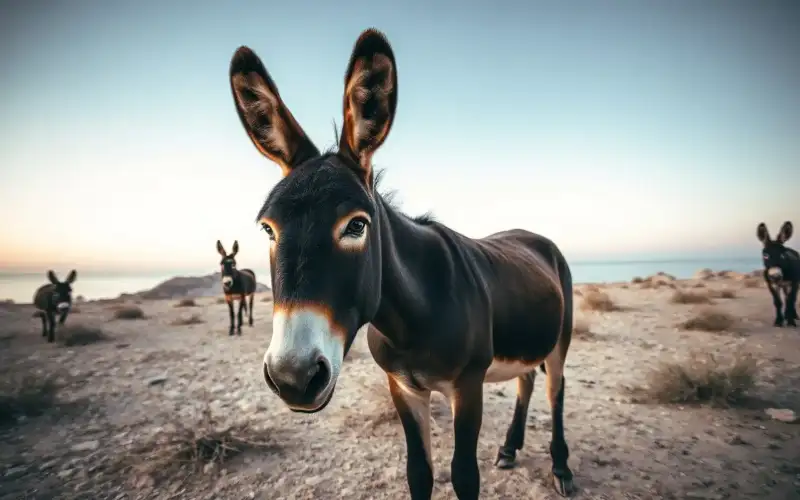
I first encountered the Karpas donkeys on a March morning in 2019, standing motionless at the peninsula's eastern edge near Dipkarpaz. Three of them—a mare, her yearling, and an older stallion—were grazing on scrubland above a limestone cliff, utterly indifferent to my presence. The light was the colour of weak tea, and a Eleonora's falcon cut across the sky above them. That scene, I realised, was something vanishing. The Karpas Peninsula had perhaps 300 wild donkeys then. By 2026, conservation efforts have stabilised the population, but it remains fragile. This guide will show you how to find them responsibly, and the extraordinary birds that share this peninsula.
What You'll Learn in This Guide
This article walks you through the practical steps of planning and executing a successful wildlife-viewing trip to the Karpas Peninsula. You'll discover where wild donkeys actually congregate (not random locations, but specific microclimates and water sources), how to time your visit for peak birdwatching seasons, and the ethics of approaching wildlife without causing stress or habitat disruption.
By the end, you'll understand the peninsula's conservation landscape, know which villa rental locations offer the best strategic positioning for early-morning expeditions, and have a realistic sense of what you can expect to see in different seasons. The Karpas isn't a safari park. But if you approach it with patience and knowledge, it delivers encounters that rival anything on the Mediterranean coast.
Prerequisites: What You Need Before You Go
Before you pack binoculars and head north, several things must be in place. First, understand that the Karpas Peninsula remains partially under Turkish Cypriot administration. As of 2026, British travellers can cross the Green Line at designated checkpoints—the main one is at Lokmaci, near Nicosia. You'll need a valid passport; some travellers carry two passports to avoid Turkish stamps that might complicate future travel. Check the UK Foreign Office website for current border protocols before you travel.
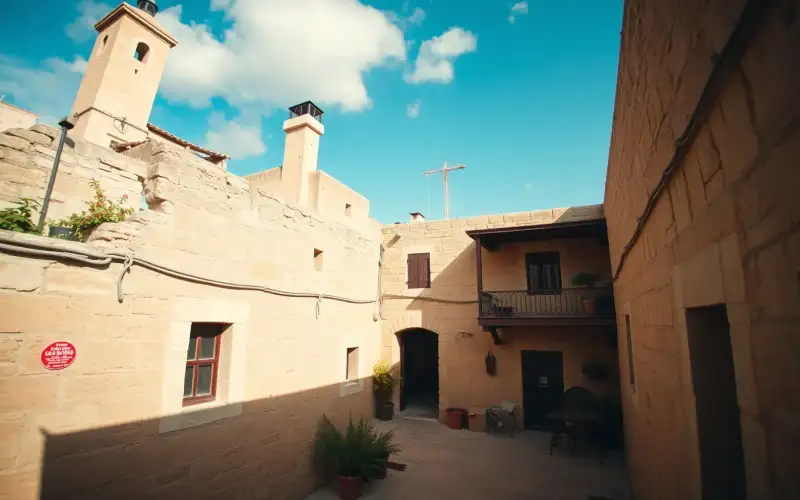
Second, accommodation matters enormously. The peninsula has no hotels in the traditional sense. Your options are limited to traditional village houses, basic guesthouses, and increasingly, villa rentals through platforms like Airbnb. For wildlife viewing, I recommend booking a villa in or near Dipkarpaz (also called Rizokarpaso), the peninsula's main settlement, or in the smaller village of Agia Trias. Dipkarpaz sits roughly 75 kilometres north-east of Famagusta and is the logical base. A typical two-bedroom villa costs £60–£120 per night and often includes a small garden—useful for early coffee before dawn expeditions.
Third, prepare your equipment. For donkey spotting, you don't need expensive gear—binoculars (8x42 are standard), a notebook, and comfortable walking boots suffice. For birdwatching, a field guide is essential. Buy The Birds of Cyprus by Per Olrog and Christer Mild before you travel, or download the Merlin Bird ID app, which works offline. A camera with a decent telephoto lens helps, though many visitors find that looking through a lens actually diminishes the experience. Pack sun protection: the Karpas is exposed, with little shade, and UV reflection off limestone is brutal.
Fourth, accept the basic infrastructure reality. Dipkarpaz has two small shops, one petrol station (often unstaffed), and a handful of tavernas. The nearest large supermarket is in Famagusta. Mobile networks operate sporadically. Bring medications, reading material, and patience. The peninsula rewards slow travel; it punishes tourists expecting convenience.
Finally, understand the seasonal window. October through April is optimal—temperatures are moderate, and migratory birds are active. July and August are brutally hot and largely empty of wildlife. Spring (March–April) offers the best combination of resident donkey activity and returning migrants. If you're visiting specifically for birds, October (autumn migration) is exceptional but more crowded with other birdwatchers.
Step-by-Step: Finding Wild Donkeys on the Karpas
Step 1: Know Where the Donkeys Actually Live
The Karpas Peninsula's wild donkey population is not evenly distributed. They cluster in specific zones, and understanding this geography is the difference between a successful morning and hours of fruitless walking. The primary concentration is between Dipkarpaz and the peninsula's eastern tip, particularly around the area known as Köprülü (Cape Apostolos Andreas). A secondary, smaller population inhabits the southern coast near Kantarcı.
Within Köprülü, donkeys favour limestone scrubland at elevations between 80 and 200 metres, where they can access both grazing and water seeps from underground reserves. The northeastern cliffs near the lighthouse beacon are a reliable spot; animals gather there especially in late afternoon, as the terrain offers both shelter from wind and visibility for spotting predators. The southwestern slopes near the abandoned monastery ruins hold another population.
Before you set out, speak to your villa owner or the owner of your guesthouse. In 2026, several Dipkarpaz residents are now trained as informal guides. Mehmet at the Rizokarpaso Pension, for instance, has tracked individual donkeys for over a decade and knows which animals are habituated to human presence and which are skittish. A one-hour conversation with someone like Mehmet often yields better intelligence than a guidebook.
Step 2: Time Your Expedition for Early Morning and Late Afternoon
Donkeys are most active during the cooler parts of the day. Between 05:30 and 07:30, they move from resting sites to grazing grounds. Between 16:00 and 18:30, they do the reverse. Midday heat drives them into whatever shade exists—usually under low scrub or in shallow gullies.
Plan to leave your villa at 05:00 if you're targeting early morning. You'll want to be positioned on a ridge or high point by first light. Bring water, a thermos of coffee, and something to eat. You'll likely spend two to three hours waiting and watching. This is not action-packed wildlife tourism; it's patient naturalist work. The reward is seeing animals in their natural rhythm, not harried specimens disturbed by crowds.
Evening expeditions are slightly easier logistically but can be rushed if you're keen to return before dark. The peninsula's roads are poorly lit, and driving after sunset is inadvisable. Plan to start your evening walk by 15:30 at the latest.
Step 3: Learn to Approach Without Disturbing
This is where ethics meet practicality. Donkeys on the Karpas are wild but not aggressive. They maintain a flight distance of roughly 100–200 metres depending on individual temperament and previous human contact. Your goal is to observe from beyond that distance.
Approach upwind if possible—donkeys rely heavily on smell. Move slowly and deliberately; sudden movements trigger alarm. If a donkey's ears perk up and its head turns toward you, stop moving. Wait five minutes. If it returns to grazing, you can continue slowly. If it moves away, you've exceeded its comfort zone; retreat and find another individual or accept that you've made contact and move on.
Never attempt to feed donkeys, even with what seems like harmless vegetation. Supplementary feeding disrupts their natural foraging behaviour and creates dependency. Several donkeys on the Karpas in 2023–2024 became malnourished after tourists stopped visiting during winter, having grown accustomed to handouts.
Step 4: Document Sightings Responsibly
If you're photographing or sketching, do so from a distance. Use binoculars to get a clear view before raising a camera. Photography itself can stress wildlife; the click of a shutter, the whirr of autofocus, and sudden movement all register as threat signals. Many experienced naturalists deliberately leave cameras behind, finding that observation without recording deepens attention.
If you do photograph, consider contributing images to the Karpas Donkey Project, a citizen-science initiative run from the University of Cyprus. Individual donkeys are identifiable by markings and scarring, and a growing photo database helps researchers track population dynamics and individual health. Email your best images with location and date to the project coordinator (details available through the Famagusta tourism office).
Step-by-Step: Birdwatching on the Karpas Peninsula
Step 5: Identify the Five Best Birdwatching Sites
The Karpas Peninsula hosts over 200 bird species, from resident Eurasian jays and hoopoes to migratory warblers and raptors. Five locations offer the highest concentration and accessibility:
- Cape Apostolos Andreas (Köprülü): The peninsula's northeastern tip, dominated by cliffs and scrubland. Excellent for seabirds, raptors, and migrants. The lighthouse area is accessible but can be windy and exposed. Best visited mid-morning when thermals are active.
- Agia Trias Marshes: A small wetland reserve 8 kilometres south of Dipkarpaz, hosting herons, egrets, and warblers. Water levels vary seasonally; October–December offer the best conditions. Access is by foot from the village; ask at the local taverna for directions.
- Kantarcı Coastal Flats: Sandy and rocky shores on the southern coast, home to plovers, sandpipers, and terns. Spring and autumn migrations peak here. Less crowded than northern sites.
- Dipkarpaz Village Outskirts: Surprisingly productive. The scrubland and abandoned agricultural areas around the village perimeter hold warblers, flycatchers, and thrushes. Less dramatic than coastal sites but reliable year-round.
- Ronnas Beach and Wetland: A small lagoon backed by dunes and shingle, roughly 15 kilometres south of Dipkarpaz. Flamingos visit in small numbers during winter; herons and egrets are resident.
Step 6: Choose Your Birdwatching Season
Timing dramatically affects what you'll see. The peninsula experiences two intense migration periods. Autumn migration (late August through October) sees millions of birds passing through Cyprus en route from Europe to Africa. Spring migration (March through May) sees the reverse. Both periods offer high species diversity and abundance.
Winter (November through February) is quieter but productive. Resident species are active, and some winter visitors arrive. The weather is mild by northern European standards—daytime temperatures around 15–18°C—making it comfortable for extended fieldwork.
Summer (June through August) is challenging. Heat drives birds into shade, activity peaks only at dawn and dusk, and many species have moved north. If you must visit summer, plan to start birdwatching at 04:30 and finish by 09:00.
Step 7: Master the Art of Listening
Ninety percent of bird identification on the Karpas comes from sound, not sight. Warblers, flycatchers, and thrushes often remain hidden in dense scrub, revealing themselves only through song or calls. Learning calls is essential.
The Merlin app mentioned earlier includes audio recordings of over 1,000 species. Spend an evening in your villa playing back calls of common Karpas birds—the Eastern Olivaceous Warbler, the Masked Shrike, the Crested Lark. When you hear these songs in the field, you'll be able to locate the bird rather than walking past it. Field guides are useful, but they're silent. Binoculars and audio are your real tools.
Practical Logistics and Responsible Tourism
Getting to the Karpas from Famagusta
The drive from Famagusta to Dipkarpaz takes approximately 90 minutes by car via the M-Köprülü road. The route passes through Lefkosa (Nicosia) territory, so ensure you've cleared the Green Line checkpoint. The road is paved but narrow and winding. A standard rental car is adequate, but an SUV with higher clearance is useful if you're planning to explore rough tracks near Köprülü.
Public transport is minimal. A minibus runs between Famagusta and Dipkarpaz once daily, departing early morning and returning late afternoon. It's a local service, not a tourist coach, but it's an option if you prefer not to drive.
Villa Rental Considerations for Wildlife Viewers
When booking accommodation, prioritise location over luxury. A simple villa within walking distance of scrubland or within 5 kilometres of Agia Trias Marshes is far more valuable than a beachfront property 20 kilometres away. Ask the rental agent directly:


Comments (4 comments)