
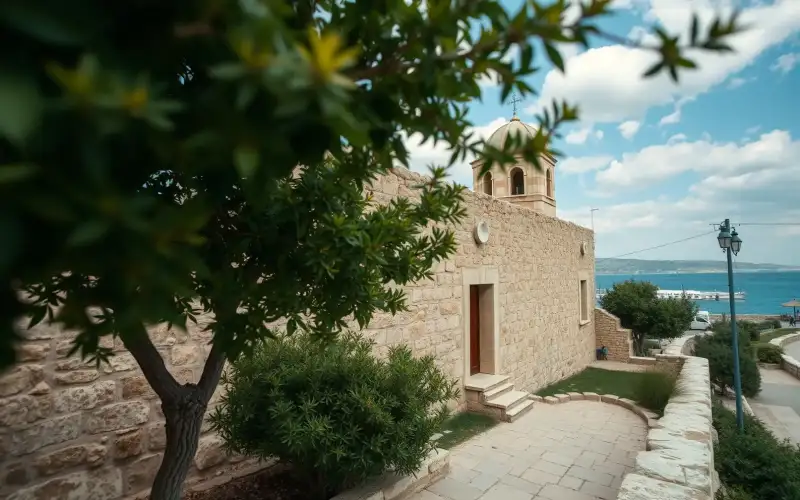
I've spent the last six years driving the Karpas coastline in everything from a hired Renault Clio to a fully-loaded campervan, and I can tell you exactly why my phone blows up with the same question every spring: "Should I go to Ayia Napa or head further east?" The answer depends entirely on what you're actually after. These two coasts sit roughly 80 kilometres apart and might as well be on different islands.
Last May, I pulled into Nissi Beach in Ayia Napa at 10 a.m. on a Wednesday. The car park was already three-quarters full. By noon, the beach was rammed with sunbeds arranged in military rows, each one occupied or reserved. The soundtrack was a blend of competing beach bars, laughter, and the hiss of jet skis. Four hours later, I drove north toward Karpas. By the time I reached Agia Trias, I was genuinely alone. One other car in the gravel car park. A handful of fishermen. The only sound the wind and the Aegean.
That's the real difference between these two coasts, and it shapes everything else.
Overview: Two Entirely Different Beaches
Ayia Napa has been the island's party capital since the 1980s. It's built for volume. The town sits 40 kilometres east of Larnaca, with Nissi Beach and Konnos Bay as its anchors. Both are accessible, well-signposted, and equipped with everything a resort visitor expects: sunbeds (€5–8 per lounger), beach bars serving full meals, showers, toilets, and lifeguards during summer months. The seafront strip stretches for nearly two kilometres, and in peak season (July and August), you're looking at 3,000–4,000 people per beach on any given day.
The Karpas peninsula extends another 40 kilometres northeast from Famagusta, tapering into a thin finger of land that points toward the Turkish coast. There are no resort developments here. No sunbed operators. No parasol rentals. The beaches—Agia Trias, Nangomi, Karpasia—are accessed via potholed roads, some barely wider than a single-track lane. Parking is free gravel or dirt. Facilities are minimal: a basic taverna at Agia Trias, a kiosk at Nangomi, nothing at Karpasia. You might see 50 people across the entire peninsula on a July day.
This comparison isn't about one being "better." It's about fit. A 68-year-old couple wanting to read novels and swim without negotiating sunbeds will have a miserable time at Nissi. A family with young children wanting ice cream, a toilet 20 metres away, and a lifeguard on duty will find Karpas frustrating.
Access and Getting There
Ayia Napa: Straightforward and Direct
Ayia Napa is 45 minutes from Larnaca International Airport via the A3 motorway, then the E303. The drive is dead straight, well-lit, and signposted in English. Car hire companies have desks at the airport; expect €20–30 per day for a basic manual saloon in shoulder season (May, September, October). Petrol costs roughly €1.10 per litre.
Parking at Nissi Beach costs €2 for two hours, €4 for the full day. The car park holds around 800 vehicles and rarely fills completely except in August. Konnos Bay has similar rates and capacity. Both are tarmac, clearly marked, and monitored by attendants.
If you don't hire a car, buses run from Larnaca to Ayia Napa roughly every 30 minutes during the day (€3 single, €5 return). Journey time is 50 minutes. The bus station is in the town centre, a ten-minute walk from Nissi Beach.
Karpas: More Effort, More Reward
Reaching Karpas requires driving through Famagusta first. From Larnaca, that's roughly 70 kilometres and 90 minutes. You'll pass through the town centre (narrow streets, slow traffic), then head northeast toward the peninsula. The main road is decent—two lanes, reasonable surface—but once you branch off toward the beaches, conditions deteriorate. The road to Agia Trias is potholed but passable in a standard rental car. The track to Nangomi is rougher; a high-clearance vehicle is preferable but not essential. Karpasia at the peninsula's tip requires a proper track; I'd recommend a 4x4 or at minimum a car with good ground clearance.
There's no public transport to the beaches themselves. Buses run to Dipkarpaz village (the peninsula's largest settlement, population roughly 300), but from there you'd need a taxi—if you can find one. Most visitors drive.
Parking is free everywhere on Karpas. You'll pull into a gravel or dirt area, lock your car, and walk to the beach. No attendants, no fees, no hassle.
Beaches and Facilities: The Practical Breakdown
Ayia Napa's Beach Infrastructure
Nissi Beach is 500 metres of pale sand with a shelving seabed ideal for swimmers. The water temperature peaks at 28°C in August, drops to 15°C by February. In summer, the beach is divided into sections: sunbed zones (operated by different companies), a free-beach section near the rocks at the south end, and a designated water-sports area where jet skis operate.
Facilities include:
- Sunbeds and parasols: €5–8 per lounger, €3–5 per parasol. Operators include Nissi Watersports and several independent vendors.
- Beach bars: At least six permanent structures serving food, drinks, and alcohol. A souvlaki costs €8–12, a beer €3–4, a coffee €2.50.
- Toilets and showers: Free facilities near the main car park and scattered along the beach.
- Lifeguards: Present June to September, 9 a.m. to 6 p.m. daily.
- Water sports: Jet skis (€60 for 15 minutes), parasailing (€40–50), banana boats (€20 per person).
Konnos Bay, 3 kilometres south, is smaller and slightly less crowded. It has similar facilities but fewer sunbeds and a more family-friendly atmosphere. The seabed is rockier, better for snorkelling.
Karpas: Minimalist and Authentic
Agia Trias is the most developed beach on the peninsula—which is to say, it has a taverna. That's it. The beach itself is two kilometres of sand, backed by low cliffs and scrubland. The water is clear and calm, shelving gradually. No lifeguards. No sunbeds. No jet skis.
The taverna, run by a local family for the past 15 years, serves grilled fish, souvlaki, salads, and cold beer. A main course costs €12–18. It's open from 10 a.m. to sunset, seven days a week in summer, weekends only in winter. There's a toilet behind the taverna (€0.50 to use). A basic shower is available if you ask nicely.
Nangomi, five kilometres further north, has a small kiosk selling cold drinks, ice cream, and basic snacks. No cooked food. No toilet. The beach is wilder—more pebbles mixed with sand, stronger winds, fewer visitors.
Karpasia, at the peninsula's very tip, has nothing. It's 45 minutes' drive from Dipkarpaz on a rough track. You'll see maybe five other people all day. The beach is pristine, backed by dunes and wildflowers. Bring water, food, and a sense of adventure.
Crowds and Atmosphere: Summer vs. Shoulder Season
Ayia Napa in Peak Season
July and August are pandemonium. Nissi Beach hits capacity most days by 11 a.m. The atmosphere is party-focused: loud music, groups of young people, alcohol-fuelled evening events. The town itself is geared toward nightlife; clubs and bars stay open until 4 a.m. If you're 25 and looking for that, it's brilliant. If you're 65 and want peace, it's a nightmare.
May, June, September, and October are dramatically quieter. Nissi still gets busy (500–1,000 people), but you can find space. The water is warm enough (22–26°C). Prices drop slightly: sunbeds might be €4–6, and many beach bars offer early-bird discounts.
November to April is genuinely quiet. The beach is usable only on sunny days; the water temperature drops below 18°C. Some beach bars close. But if you want to sit on a Cypriot beach in February with a book and a coffee, uninterrupted for hours, Ayia Napa will accommodate you.
Karpas: Consistently Quiet
Even in August, Karpas feels empty. Agia Trias might see 100–200 people across the entire day. Nangomi, 30–50. Karpasia, maybe ten. The atmosphere is contemplative. You'll hear wind, waves, birdsong. The few people you meet are usually long-term travellers, campervanners, or locals fishing.
This quietness persists year-round. In winter, Agia Trias is practically yours alone. The taverna stays open, the beach is accessible, and the solitude is profound. The water temperature drops to 15°C, but for hardy swimmers, it's manageable.
Facilities and Amenities: What You Get and What You Don't
Here's where the differences crystallise into practical considerations:
| Facility | Ayia Napa | Karpas |
|---|---|---|
| Sunbeds | Yes, €5–8 per lounger | No |
| Beach bars | Multiple, full menus | One taverna (Agia Trias only) |
| Toilets | Free, regularly cleaned | One basic facility (Agia Trias, €0.50) |
| Showers | Free, multiple locations | Basic (Agia Trias, by request) |
| Lifeguards | June–September, 9 a.m.–6 p.m. | None |
| Parking | €2–4 per day, tarmac | Free, gravel/dirt |
| Water sports | Jet skis, parasailing, banana boats | None |
| Accessibility | Paved paths, disabled facilities | Rough terrain, no facilities |
| Nearby accommodation | Hotels, apartments, all budgets | Handful of guesthouses, camping |
If you have mobility issues or young children, Ayia Napa is the only realistic choice. The beaches are designed for accessibility. Toilets are clean and frequent. Help is moments away.
If you're fit, self-sufficient, and carrying supplies, Karpas is liberating. You're not paying for sunbeds you don't want. You're not negotiating crowds. You're not constrained by opening hours or lifeguard schedules.
Who Each Coast Suits Best
Choose Ayia Napa If You...
- Want guaranteed facilities and comfort. You're paying for reliability.
- Have young children or elderly relatives who need accessible toilets and showers nearby.
- Enjoy social atmosphere and don't mind crowds. The beach bars are genuinely good, and the social scene is part of the appeal.
- Are visiting for a week or less and want to maximise beach time without logistical hassle.
- Prefer organisation. Everything is signposted, scheduled, and predictable.
- Want water sports. Jet skis, parasailing, and banana boats operate daily in summer.
- Are nervous about driving on rough roads or don't have a hire car.
Choose Karpas If You...
- Value solitude above comfort. You're happy to bring your own supplies.
- Are driving a campervan or have flexible accommodation. You can stay longer and explore at your own pace.
- Are fit and self-sufficient. You don't need a lifeguard or a toilet 20 metres away.
- Want authentic, undeveloped coastline. You're interested in the landscape, not the infrastructure.
- Are visiting for two weeks or more. The peninsula rewards slow exploration.
- Enjoy rough roads and adventure. You're not bothered by pothole or gravel parking.
- Are on a tight budget. Free parking and no sunbed costs add up.
The Verdict: Which Should You Choose?
I've had this conversation with travellers in both places, and the answer is always the same: it depends on your definition of a good beach day.
If a good beach day means a comfortable sunbed, a cold beer within arm's reach, a toilet nearby, and the option to try parasailing, then Ayia Napa delivers that reliably. You'll pay for it—sunbeds, parking, food prices are higher than the rest of the island—but you'll get what you're paying for. The beaches are genuinely beautiful, the water is clean, and the infrastructure is solid. May and September are ideal; the crowds are manageable, the water is warm, and prices haven't peaked.
If a good beach day means arriving at an empty cove, swimming alone, eating a picnic you've brought from Famagusta, and leaving no trace, then Karpas is your answer. You'll need a hire car, decent ground clearance, and comfort with basic facilities. The beaches are wilder and more beautiful, precisely because they're undeveloped. You'll remember Karpasia in February more vividly than you'll remember Nissi in July, even though Nissi is objectively nicer.
My own preference is clear from my driving patterns. I head to Karpas when I want to write, think, or simply exist without interruption. I go to Ayia Napa when I want social energy or when I'm showing someone the island for the first time. Both are valid. Both are Cyprus. The question is which version of Cyprus you're after.
One final practical note: if you're torn, do both. Rent a car for two weeks, spend three days in Ayia Napa, then drive northeast and spend the rest on the peninsula. You'll understand the difference viscerally, and you'll know which coast you'll return to.

Comments (4 comments)