
I was halfway down a dirt track near Dipkarpaz when I spotted them—three wild donkeys standing perfectly still in the afternoon heat, watching our jeep with the kind of indifference you only find in places tourists haven't yet colonised. That's the Karpas peninsula in a nutshell. While Ayia Napa's clubs pump until dawn and Limassol's beachfront groans under sunbeds, this 40-kilometre finger of land jutting northeast from the main island remains stubbornly, beautifully untouched. Summer 2026 is the year to visit before the inevitable change arrives.
The Karpas isn't for everyone. There are no all-inclusive resorts here, no foam parties, no Instagram-ready beach clubs with €15 cocktails. What you get instead are empty coves with water so clear you can see your feet in three metres of depth, villages where the taverna owner still remembers your name on your second visit, and the kind of silence that actually means something. If you're the type who drives for the sake of driving, camps under stars, and measures a good day by how few other people you've seen, read on.
1. Drive the Entire Coastal Road at Sunrise
Start at Salamis, the ancient Roman city just outside Famagusta, and point your rental car northeast. You'll want to leave around 5:30 AM—not for any mystical reason, but because the light hits the limestone cliffs differently at that hour, and you'll have the road entirely to yourself. The coastal drive from Salamis to Agia Trias takes roughly two hours without stops, but you shouldn't do it without stops.
The road winds through Boğaz (locals still call it Bogaz), then splits toward either the northern or southern coast. Take the northern route first. Pull over at random points—there's no formal infrastructure, so you'll just find a spot where the tarmac widens slightly. Walk down to the water. Swim if you're brave; the sea in June is around 24°C, perfectly swimmable without a wetsuit. By 8 AM, you'll have covered maybe 15 kilometres and already feel like you've discovered something secret.
2. Spot the Wild Donkeys Near Dipkarpaz
The Karpas donkeys are semi-feral descendants of animals abandoned decades ago. They roam freely across the peninsula, and summer is when you're most likely to find them clustered near water sources. Head to the hills around Dipkarpaz village—the largest settlement on the peninsula—and ask at the small taverna near the church if anyone's seen them recently. The owner will give you directions that make no sense until you're actually there, then suddenly you'll round a corner and there they'll be.
These aren't cute petting-zoo animals. They're wary, sometimes aggressive if you approach with food, and absolutely magnificent. I've watched them drink from a stone trough while barely acknowledging a jeep parked ten metres away. The best time is early morning or late afternoon when they move between grazing areas. Don't chase them, don't corner them, and for God's sake, don't try to feed them. Just watch, photograph if you must, and leave them alone.
3. Swim at Agia Trias Beach and Camp Overnight
Agia Trias sits at the very tip of the peninsula, roughly 50 kilometres from Famagusta town. The beach is a long curve of golden sand backed by low dunes and absolutely nothing else. In July and August, you might see five other people. The water is clear enough to snorkel without a mask—just open your eyes underwater and you'll see fish, small rocks, patches of seagrass.
If you're properly equipped, camp here. There's a basic taverna a few hundred metres back from the beach that serves cold beer and surprisingly good grilled fish. Bring your own tent or sleep in your car. The night sky is genuinely dark—no light pollution, no distant glow from towns. You'll see the Milky Way properly, not the washed-out version you get in most of Europe. Wake up at sunrise, swim before breakfast, then drive back slowly through the villages.
4. Visit Apostolos Andreas Monastery at the Peninsula's End
The monastery sits on a rocky headland about 5 kilometres before Agia Trias. It's been a pilgrimage site for over 1,500 years, though the current structure dates mostly from the 18th century. Summer crowds are minimal—you'll encounter maybe a dozen other visitors on any given day, mostly older Cypriots and the occasional determined European.
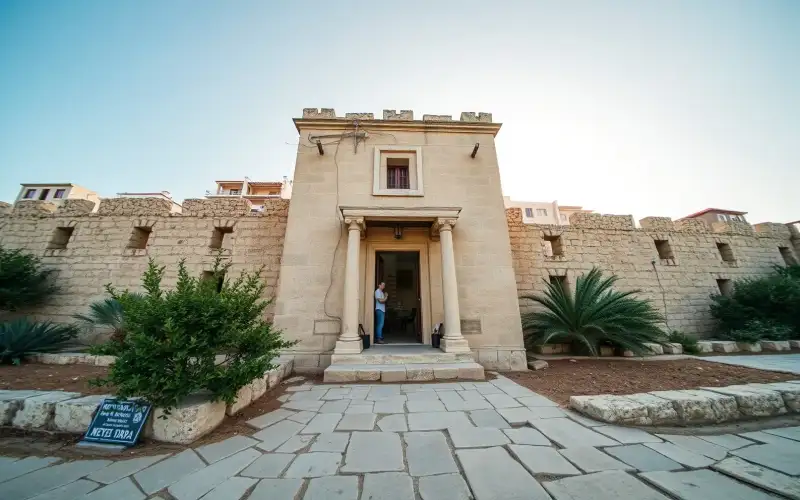
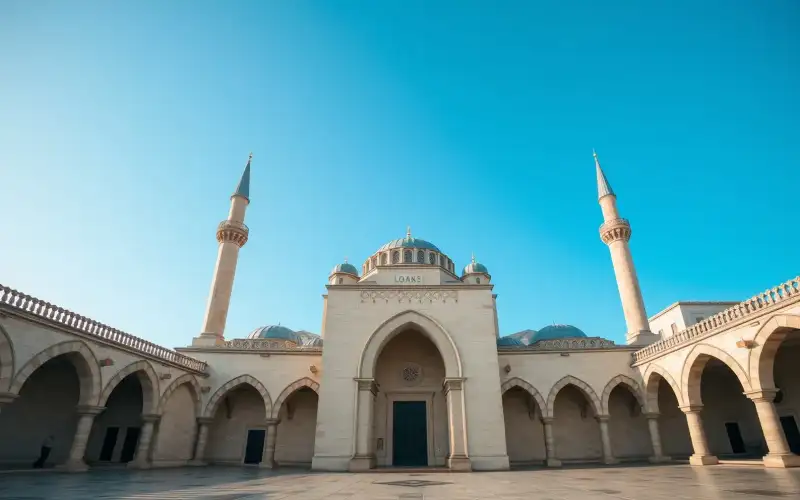
The building itself is modest: whitewashed walls, a small blue dome, a courtyard with a well. What matters is the location and the silence. Stand on the rocks facing east and you're looking at Syria, roughly 75 kilometres away across open sea. The monastery's caretaker—usually an elderly monk or nun—will show you the small museum of religious objects and explain the site's history in careful English. A small donation is expected; €5 is appropriate. Visit in the early morning or late afternoon. The midday heat is punishing, and the exposed courtyard offers no shade.
5. Stay in a Village Guesthouse and Eat Where Locals Eat
Forget hotels. The Karpas's real character lives in village guesthouses, family-run places with five or six rooms, run by people who've lived here their entire lives. Dipkarpaz has several; Rizokarpaso has a few; Boğaz has at least one decent option. Prices in summer 2026 range from €40 to €70 per night for a basic double room with en-suite bathroom.
More importantly, these places connect you to actual village life. The owner will tell you which taverna has fresh fish that day, which beach is calmest, where the donkeys were spotted yesterday. You'll eat breakfast at a table overlooking the village square, surrounded by older men playing backgammon and women hanging laundry. This isn't performance; it's just how things work here.
For dinner, eat at family tavernas, not tourist restaurants. Look for places with handwritten menus, where the owner greets regulars by name. A full meal—grilled fish, salad, bread, wine—costs €12 to €18 per person. The fish is often caught that morning. The wine is local and rough but honest. You'll leave feeling fed in a way that restaurant meals rarely achieve.
6. Explore Abandoned Villages and Ottoman Ruins
The peninsula's interior hides ghost villages and crumbling stone structures dating back centuries. Some were abandoned during the 1974 conflict; others emptied gradually as younger people left for Famagusta or Nicosia. Exploring them requires a sturdy vehicle and a willingness to get lost.
Head inland from Dipkarpaz toward Kantarci. The road deteriorates into a track, but it's passable in a regular car if you take it slowly. You'll pass stone houses with collapsed roofs, old wells, terraced fields returning to scrub. Stop and walk around. Touch the walls. Try to imagine the lives lived here—the families, the routines, the moment when people decided to leave and never came back.
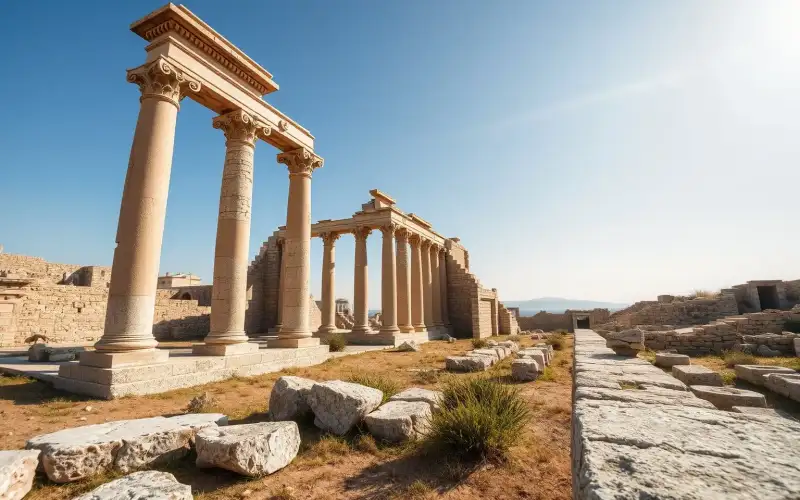
Some sites have Ottoman inscriptions on stones. Some have Byzantine crosses carved into rock faces. None are officially marked or protected. This makes them simultaneously fragile and authentic. Treat them with respect. Take photographs if you want, but leave everything as you find it. These places matter precisely because they haven't been turned into heritage attractions.
7. Kayak or Paddleboard Along the Northern Coast
The northern coast between Boğaz and Agia Trias is spectacular from the water. Rental kayaks and paddleboards are available in Famagusta (roughly 45 minutes' drive away), or you can bring your own. Launch from small beaches near Boğaz or Dipkarpaz and paddle along the cliffs. The water is calm in summer mornings before the afternoon wind picks up.
You'll pass sea caves, rock formations, and sections of coastline completely unreachable by car. The water temperature in July is around 26°C. Visibility is excellent. If you're lucky, you might see Mediterranean monk seals, though they're rare and extremely shy. More likely, you'll encounter fish, sea urchins, and the occasional turtle.
Start early, paddle for no more than two hours, and always stay close to shore. The Karpas coast looks calm, but currents can develop quickly. Bring water, sun protection, and a basic first-aid kit. If you're not a confident swimmer, skip this and stick to beach swimming.
8. Hike the Inland Trails Through Scrubland and Farmland
Forget marked hiking trails—the Karpas doesn't have them, and that's part of the appeal. Instead, walk inland from any village, following dirt tracks and farm paths. The landscape is semi-arid scrubland dotted with olive trees, carob trees, and wild herbs. In summer, it's hot and exposed, so start early and finish by noon.
A typical walk: start from Dipkarpaz, head south toward the interior, follow a track for 45 minutes until you reach higher ground, then loop back via a different route. You'll pass farms, encounter the occasional farmer or shepherd, and see the peninsula's true character—not the dramatic coastal cliffs, but the quiet, working landscape where people actually live.
Bring at least two litres of water per person. Wear proper hiking boots; the ground is rocky and thorny. The sun is relentless. But the solitude is absolute. You might not see another person all morning. That silence, that emptiness—it's what the Karpas offers that nowhere else on Cyprus can match.
9. Photograph the Golden Hour Light on Limestone Cliffs
If you're remotely interested in photography, the Karpas in summer offers light that's almost unfair in its quality. The limestone cliffs glow orange and pink in the hour before sunset. The sea reflects it perfectly. The shadows are deep and dramatic.
Position yourself on the northern coast facing west around 7:00 PM in mid-summer. The light lasts roughly 45 minutes before the sun drops behind the hills. Photograph the cliffs, the water, the occasional fishing boat. Photograph the shadows on the rocks. Photograph the way the light changes minute by minute.
This isn't about Instagram or competition. It's about paying attention to how beautiful a place can be when you stop rushing through it. Spend the evening light here, watch it change, and understand why people have lived on this peninsula for thousands of years.
10. Eat Fresh Fish at a Waterfront Taverna at Sunset
Find a small taverna with tables directly on the beach or overlooking the water. Boğaz, Dipkarpaz, and Agia Trias all have options. Arrive around 7:00 PM. Order whatever fish they recommend—usually sea bream, sea bass, or grouper, grilled simply with lemon and olive oil. Order a cold beer or local wine. Sit and watch the light fade.
This isn't a luxury experience. The tables might be plastic, the chairs mismatched, the service slow. But the fish will be fresh, the sunset will be genuine, and you'll be eating in a place where tourism hasn't yet colonised the experience. This is what slow travel means: sitting still long enough to actually taste your food and notice the world around you.
Practical Essentials for Summer on the Karpas
Getting There: Rent a car in Famagusta. A basic economy vehicle costs €25 to €40 per day in summer 2026. The drive from Famagusta town to Dipkarpaz takes roughly 45 minutes; to Agia Trias, about 90 minutes. Roads are paved but narrow and winding in places.
When to Go: June and September are ideal—warm enough for swimming, but less brutally hot than July and August. The sea is warmest in August (around 27°C) but also most crowded, relatively speaking. Avoid Easter holidays and mid-August when Cypriots holiday locally.
What to Bring: Sun protection is non-negotiable—hat, sunscreen (SPF 50+), sunglasses. Bring more water than you think you'll need. Comfortable walking shoes. A light jacket for evenings; the coast cools significantly after sunset. A basic first-aid kit. Cash in euros; many small tavernas don't accept cards.
Accommodation Budget: Guesthouses range from €40 to €80 per night. Camping is free if you're discreet; some tavernas allow informal camping nearby. Hotels in Famagusta are cheaper (€35 to €60) but require driving to the peninsula daily.
Food Costs: A meal at a local taverna costs €10 to €20 per person. Supermarkets in Dipkarpaz and Famagusta stock basics. Picnic supplies are available but limited. Plan for self-catering one or two meals daily if you're budget-conscious.
Safety: The peninsula is safe. Petty theft is rare. The main risks are sun exposure, rough seas in certain spots, and getting lost on unmarked tracks. Tell someone where you're going if you're hiking inland. Carry a charged phone.
Why the Karpas Matters Now
The Karpas peninsula exists in a strange temporal space. It's part of the Republic of Cyprus, but it's also isolated, economically struggling, and slowly depopulating. Young people leave for Nicosia or Famagusta. The villages age. The infrastructure doesn't improve. In five or ten years, this might change. A new road might be built. A developer might arrive. Tourism infrastructure might expand.
For now, in summer 2026, it remains largely untouched. The beaches are empty. The donkeys roam freely. The villages function as villages, not theme parks. The silence is genuine. This window won't last forever. If you're the type of traveller who values authenticity over comfort, who'd rather drive on rough roads than stay in chain hotels, who measures a good day by how much you've seen rather than how much you've spent—the Karpas is calling. The question is whether you'll answer before it changes.
Comments (3 comments)