
I've driven the coast road from Ayia Napa to Famagusta so many times that I could navigate it blindfolded, though the potholes would catch me out every time. Most visitors never make the journey. They stay poolside, nursing overpriced cocktails, while one of Cyprus's most compelling historical landscapes sits just 45 minutes away. This guide is for the travellers who want more—the ones willing to spend a tank of petrol and a morning on the road to see what most tourists miss.
Why Leave Ayia Napa at All?
Ayia Napa is built for a specific kind of holiday: young, loud, beachfront. If that's your thing, fine. But if you're reading this, you probably aren't staying for the nightclubs. You're the type who reads museum plaques, asks locals about Ottoman history, and prefers a taverna table to a beach bar. Famagusta is your answer.
The distance is manageable. From central Ayia Napa to the Famagusta old town entrance is roughly 50 kilometres via the coastal road. In summer traffic, expect 50–65 minutes. The route hugs the eastern coastline, passing through Protaras and Paralimni—both worth a brief stop if you're not on a tight schedule. The road itself is decent; dual carriageway for much of it, though watch for speed cameras near Paralimni.
What makes this day trip work is that Famagusta isn't a single attraction. It's a layered place: Roman ruins at Salamis, a medieval walled town, Ottoman architecture, quieter beaches, and a handful of genuine tavernas where you'll eat better than anywhere in Ayia Napa for half the price.
The Itinerary: Start Early, Finish Relaxed
Leave Ayia Napa by 8:00 am. This matters. Salamis gets crowded after 10:00 am, and parking becomes a nightmare. You'll want two hours minimum at the site, preferably three if you're genuinely interested in the archaeology.
8:00–10:30 am: Salamis Archaeological Site
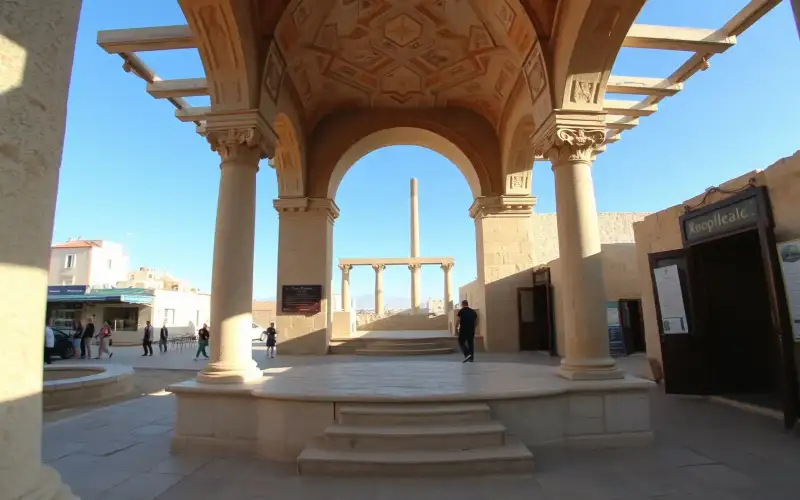
Salamis is the heavyweight here. This was one of the most important city-states in ancient Cyprus, founded in the 11th century BC. What you see now is mostly Roman—the site was rebuilt after earthquakes in the 4th century AD. The entrance fee is €9 per person. Parking is free and plentiful in the morning.
Don't just walk the main path. The site sprawls across 150 hectares, and most visitors stick to the obvious bits: the Roman theatre, the gymnasium, the public latrines. That's fine if you're rushed, but the real experience is wandering into the quieter sections where you might be alone with a 2,000-year-old column and the sound of the sea behind the trees.
Bring water. There's a café at the entrance, but it's expensive. A 500ml bottle of water costs €2.50. Bring a hat. The site has minimal shade, and the Cypriot sun in summer is relentless. Allow 2.5 to 3 hours here if you want to read the information boards and actually absorb the place. If you're just ticking boxes, 90 minutes will do.
11:00 am–12:30 pm: Varosha Beach and the Old Town Approach
Leave Salamis and drive toward Famagusta proper. You'll pass the fenced-off Varosha district—the ghost town that was abandoned in 1974. You can't enter it, but the sight of decaying hotels and empty streets behind the fence is oddly powerful. Pull over at one of the designated viewpoints and spend 10 minutes taking it in. It's one of Cyprus's most haunting images.
Continue into the old town. Parking is tight, but there's a pay car park (€1.50 for the day) just outside the Venetian walls on the southern side. From there, it's a 5-minute walk to the main gate.
12:30–2:30 pm: The Walled Old Town
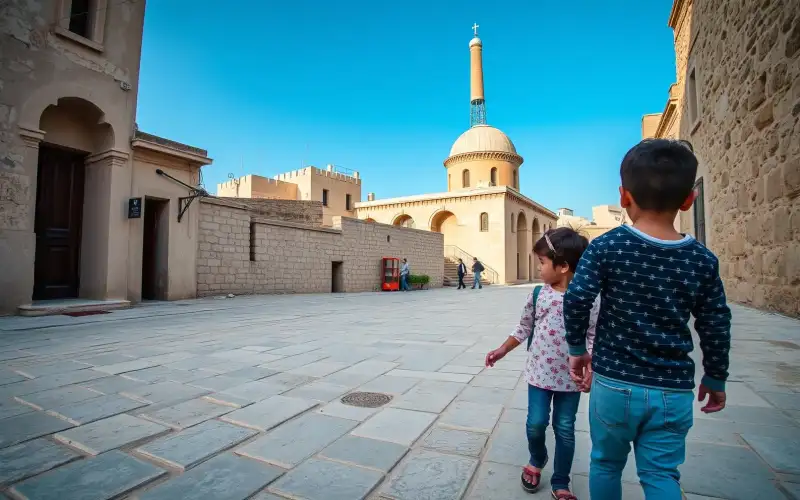
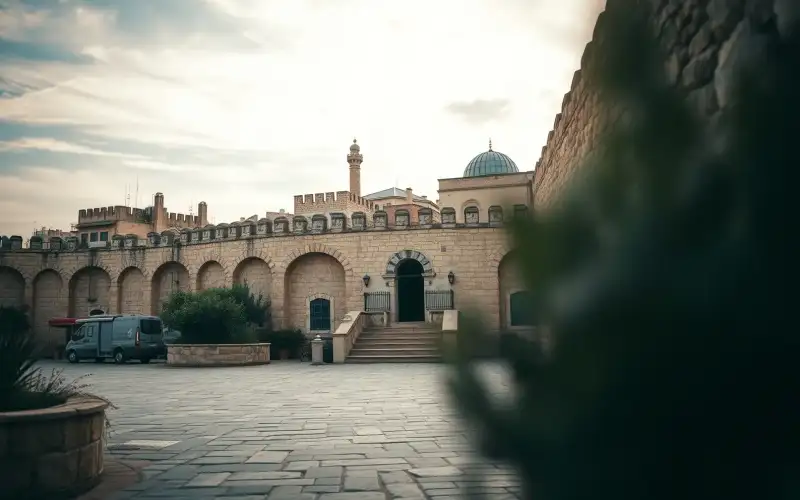
The Famagusta old town is a maze of narrow streets, Ottoman and Venetian architecture, and the occasional cat sleeping in doorways. Entry to the walls themselves is free. The Cathedral of Saint Nicholas (now a mosque) is worth seeing from the outside; it's one of the finest examples of Venetian Gothic architecture on the island. You can't enter the interior, but the exterior is magnificent.
Walk the perimeter of the walls if you have time. The views across the coast are excellent, and you'll understand the strategic importance of this place. Allow 1.5 to 2 hours for a proper wander. Grab lunch at one of the small tavernas tucked into side streets. Budget €8–12 for a main course. The food is straightforward—grilled fish, souvlaki, salads—but it's cooked well and served without the Ayia Napa markup.
2:30–4:00 pm: A Beach Break (Your Choice)
This is where the day trip gets flexible. You have three options, depending on what you want:
- Glossa Beach (20 minutes south of the old town): A long, sandy stretch with a few tavernas. Quieter than Ayia Napa, shallow water, good for swimming. Free parking. Bring your own umbrella or rent one for €3.
- Karpas Peninsula beaches (30–45 minutes north): If you want genuine remoteness, drive up the peninsula. Agia Trias, Ronnas, and Nangomi beaches are almost empty. Rough roads, minimal facilities, but stunning. This is for the adventurous.
- Maraş (Varosha) waterfront: Walk along the seafront promenade near the old town. It's not a swimming beach, but it's pleasant for an ice cream and a breather.
I usually choose Glossa. It's close enough that you won't waste time driving, far enough that it feels separate from the tourist circuit. Swim for 45 minutes, lie on the sand for 30 minutes, and you've reset your body temperature and your mood.
Budget Breakdown: Keeping Costs Down
Here's what a full day costs per person in 2026:
| Item | Cost (€) | Notes |
|---|---|---|
| Petrol (shared between 2 people) | 6–8 | Roughly 100 km round trip; modern cars average 6–7 l/100km |
| Salamis entrance | 9 | EU seniors (60+) get 50% discount; check at gate |
| Parking (old town) | 1.50 | Day pass, valid until midnight |
| Lunch (taverna) | 10–12 | Grilled fish or souvlaki, salad, soft drink |
| Water and snacks | 4–6 | Buy at supermarket in Paralimni, not at sites |
| Beach umbrella rental (optional) | 3 | Bring your own to save this |
| Total per person | 33–40 | Less if you picnic instead of lunch |
To keep costs down: buy groceries at a supermarket in Paralimni before you reach Famagusta. A sandwich, fruit, and drinks cost €5–6 total. Eat lunch by the sea instead of in a taverna. Bring your own beach towel and umbrella. Skip the tourist shops in the old town.
Practical Essentials
Driving and Navigation
Use Google Maps or Citymapper. The coastal road is straightforward, but some turnings into the old town are confusing. If you're using a rental car, check that it has air conditioning. You'll need it. The drive in summer heat without AC is genuinely unpleasant.
Fuel up in Ayia Napa before you leave. Petrol stations in Famagusta are fewer and sometimes have queues. Speed limits: 50 km/h in towns, 100 km/h on the main road. Police enforce these.
What to Bring
- Hat and sunscreen (SPF 50 minimum)
- Plenty of water (at least 2 litres per person)
- Comfortable walking shoes (the old town streets are uneven)
- Swimming costume and a light towel
- Cash (some small tavernas don't take cards)
- Phone charger (you'll be navigating and taking photos)
Opening Hours and Timing
Salamis is open 9:00 am to 5:00 pm daily. The old town has no official hours; you can walk it anytime. Most tavernas close between 3:00 pm and 6:00 pm (the siesta). Plan your lunch accordingly. Museums in the old town (if you want to visit any) typically close by 4:00 pm.
Water Sports and Alternative Activities
If you want to add water activities to your day, Famagusta has options, though fewer than Ayia Napa. Several operators run boat trips from the old town waterfront. Expect to pay €25–35 per person for a 2-hour cruise. Some include snorkelling. Jet-ski rentals are available at Glossa Beach (€60–80 for 30 minutes), though they're louder and more chaotic than the quieter vibe of the day trip.
Diving is possible through a few operators in the old town, but most serious divers base themselves in Ayia Napa for easier logistics. If you're keen, a single-tank dive costs €60–75.
Honestly, for this day trip, I'd skip the water sports. You're here for history and quiet beaches, not adrenaline. Save the jet-skis for Ayia Napa if that's your thing.
When to Go and What to Expect
May, June, September, and October are ideal. July and August are scorching and crowded. April and November are pleasant but the sea is cool for swimming. Winter is quiet but many tavernas close.
Expect the old town to feel slightly run-down in places. Some buildings are crumbling, some streets are empty. This isn't a polished heritage site like Paphos. It's rawer, more authentic, and that's exactly why it's worth the drive.
Final Thoughts
A day trip from Ayia Napa to Famagusta is the kind of thing that separates the travellers from the tourists. You'll spend roughly €35–40 and four to five hours away from your resort. You'll see ruins that most visitors to Cyprus never encounter, walk through a medieval town that feels genuinely lived-in, and swim on a beach where you might be alone. You'll eat better, spend less, and come back with stories instead of sunburn and pool-side regrets.
The drive itself is part of the adventure. Watch the landscape change as you head east. Notice how the coast becomes wilder, how the development thins out. By the time you reach Famagusta, you've genuinely left the tourist trail. That's the whole point. Go early, go hungry, bring water, and don't rush. This place rewards patience.


Comments (4 comments)