
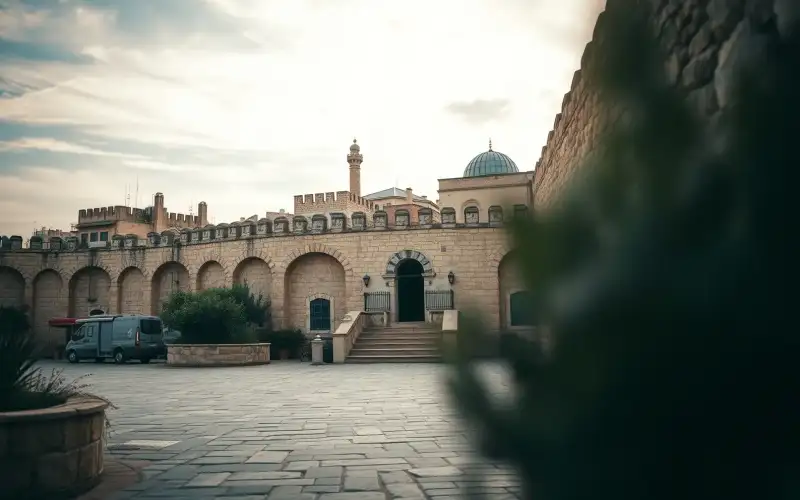
I was sitting in a taverna near the Venetian walls last October when a couple from Devon asked me the same question I've heard a hundred times: "Is it true you can eat well in Famagusta for under £10?" The answer, after twenty years of research here, is yes—but with caveats. Budget travel in Famagusta isn't about deprivation; it's about knowing where locals actually eat, when prices drop, and which tourist traps to avoid entirely.
Accommodation: Where Budget Meets Comfort
Q: Can I find decent rooms under £40 per night in Famagusta?
Yes, but you'll need to book outside peak season (May–September). In March, April, October, and November, family-run hotels in the Old Town charge £30–£45 for clean, basic double rooms with air conditioning. The Venetian walls create a natural amphitheatre of sound, so ask for rooms facing away from the main streets. I've stayed in three properties repeatedly: they're modest, the owners speak English, and breakfast is sometimes included.
The real savings come from staying in Varosha's periphery—technically accessible now after the 2023 partial reopening, though most visitors stick to the designated tourist corridor. Alternatively, rent an apartment through local landlords (not international platforms) in the residential neighbourhoods of Maraş or Salamina. A one-bedroom flat runs £35–£50 nightly, with a kitchenette that cuts food costs dramatically.
Q: Is it worth paying more for a sea-view room?
Not necessarily. Most budget sea-view rooms face the industrial harbour or the military zone. Spend the extra £10–£15 on a central Old Town location instead—you'll walk to everything and save that amount in transport costs within two days. The sea is visible from the ramparts, which are free to access.
Transportation: Moving Around Without Overspending
Q: What's the cheapest way to get from Larnaca Airport to Famagusta?
The airport shuttle bus (ALSA) costs £8 per person and takes 90 minutes. Shared taxis (service taxis) run £12–£15 and take 75 minutes; they depart when full, usually every 30–45 minutes. A private taxi costs £45–£55 but splits well among three or four travellers. I've never recommended car rental for Famagusta itself—the Old Town is pedestrian-only, parking is scarce, and you'll pay £25–£35 daily for a vehicle you won't use.
Q: How do local buses work, and are they reliable?
EMEL operates the regional bus network. A single journey costs £1.50; a weekly pass is £15. Buses run from 6 a.m. to 7 p.m. in winter, 6 a.m. to 9 p.m. in summer. They're punctual by Mediterranean standards—expect 5–10 minute delays. The Salamis route (bus 101) departs hourly from the central station near the old harbour and costs £2 each way. I use it regularly to reach the archaeological sites north of the city.
| Journey | Cost (£) | Duration | Frequency |
|---|---|---|---|
| Famagusta to Salamis | 2.00 | 20 mins | Hourly |
| Famagusta to Varosha (permitted areas) | 1.50 | 15 mins | Every 30 mins |
| Famagusta to Karpas Peninsula | 3.50 | 45 mins | 3× daily |
| Weekly bus pass | 15.00 | — | — |
Food: Eating Like a Local Without Tourist Prices
Q: Where do locals actually eat, and what does it cost?
Avoid the restaurants facing the harbour—they're 40% pricier and mediocre. Instead, eat on the side streets within the Venetian walls: Lala Mustafa Pasha Street and the alleyways radiating from it. A proper meze (mixed appetizers) with grilled fish, salad, and bread costs £8–£12 per person at family-run establishments. Souvlaki from street vendors runs £3–£4. A full three-course meal with wine at a respectable taverna: £15–£20.
Breakfast is your biggest saving opportunity. Skip hotel breakfasts (often £8–£10) and buy from local bakeries: a fresh pastry and coffee for £2. The bakery on Salamina Street, near the Municipal Gardens, opens at 6 a.m. and is where construction workers, teachers, and shopkeepers eat. You'll be the only foreigner.
Q: Which supermarkets offer the best value?
Alphamega and Carrefour have branches in the new town (south of the walls). Prices are 15–20% lower than tourist-area shops. A week's groceries for two people: £35–£45. Fresh produce at the municipal market (mornings only, Tuesday–Saturday) is cheaper still—tomatoes, cucumbers, and local cheese cost half what supermarkets charge.
Water Sports: Budget Activities Without Compromise
Q: What's the realistic cost of diving in Famagusta?
A single-tank dive with a certified operator costs £60–£75. A PADI Open Water certification course (three days, four dives) runs £280–£320. These prices haven't changed much since 2022. The wrecks around Famagusta—particularly the cargo vessel at 42 metres and the Second World War Messerschmitt wreck—are exceptional and worth the expense. Book directly with dive shops rather than through hotels; you'll save £10–£15 per dive.
Snorkelling is free if you have your own equipment (mask, fins, snorkel: £25–£40 to buy locally). The reef near Glossa Beach, 8 km north, offers excellent visibility and marine life without paying a penny once you're in the water. The beach itself charges £2 for parking.
Q: Are parasailing and jet-ski rides worth the cost?
Parasailing runs £40–£50 for 12 minutes airborne. Jet-ski rental costs £50–£70 per hour, with a minimum of 30 minutes. Banana boat rides are £15–£20 per person for 20 minutes. These are tourist activities, and prices reflect that. I've done them all; the parasailing offers genuine thrills and a perspective of the coastline you won't get otherwise. The jet-skis are noisy and expensive for the experience. Banana boats are fun if you're travelling with family or a group that can share the cost.
Q: Where should I avoid paying for water sports?
The beach clubs operating from the Varosha seafront (technically in a grey zone legally) often undercut official operators by 20–30%, but insurance is questionable and equipment maintenance is visibly poor. Stick with established operators based in the Old Town or the municipal beach. Your safety is worth the extra £5–£10.
Activities & Attractions: Free and Low-Cost Experiences
Q: What can I see for free or under £5?
The Venetian walls are free to walk. The Lala Mustafa Pasha Mosque (formerly the Cathedral) costs £3 to enter and is architecturally extraordinary—Gothic exterior, Islamic interior, a palimpsest of conquest. The municipal museum charges £4 and contains artefacts from Salamis and the Lusignan period. The archaeological sites at Salamis (15 km north) cost £7 entry; the gymnasium, necropolis, and theatre are among the finest Greco-Roman remains in the eastern Mediterranean.
The Karpas Peninsula, extending 40 km eastward, offers free beach access, abandoned villages, and the Apostolos Andreas Monastery at its tip. Petrol costs more than entry fees here. I spend entire days on the Karpas for under £15 in fuel and food.
Q: Is a guided tour worth paying for?
A half-day walking tour of the Old Town costs £25–£35 per person. For solo travellers or those unfamiliar with the history, it's reasonable value. For anyone who's read a basic history of Cyprus or spent an afternoon with a guidebook, it's unnecessary. I've led such tours; they're competent but generic. The real expertise comes from spending time in the local museums and talking to shopkeepers and café owners—free, and infinitely more interesting.
Seasonal Timing: When Your Budget Stretches Furthest
Q: When is Famagusta genuinely affordable?
March, April, October, and November. Accommodation drops 30–40% from summer rates. Restaurant prices don't change, but you're not competing for tables. The weather is perfect: 18–24°C, sunny, minimal rain. May and September are shoulder seasons—still warm (22–28°C) and slightly cheaper than peak summer.
Avoid July and August entirely if you're budget-conscious. Accommodation doubles, restaurants add surcharges, and the heat (35°C+) makes walking the archaeological sites exhausting. December through February sees occasional rain and some closures, but accommodation is at its lowest (£25–£35 nightly) and the few tourists present are serious travellers, not package-holiday crowds.
Money-Saving Hacks That Actually Work
Eat your main meal at lunch, not dinner—restaurants offer set menus (£6–£9) that cost £12–£15 at night. Buy a reusable water bottle and fill it at public fountains (the water is safe). Visit archaeological sites early (8 a.m. opening) to avoid the midday heat and any afternoon crowds. Use your hotel's laundry facilities or find a local laundromat (£4–£6 per load) rather than paying hotel rates (£8–£12). Walk everywhere within the Old Town—you'll discover places no tour mentions.
The real economy of Famagusta lies not in finding the cheapest version of tourist experiences, but in abandoning the tourist script entirely. Eat where locals eat. Walk where locals walk. Ask questions. You'll spend less and see more.
Final Thoughts: Budget Travel as Authentic Travel
Famagusta rewards the traveller willing to slow down. The British visitors I encounter here tend to be different from those in Paphos or Limassol—older, more curious, less interested in nightlife and more interested in history. That temperament aligns perfectly with budget travel in this region. You're not missing out by staying in a modest room or eating at a neighbourhood taverna; you're actually getting closer to the place as it exists for the people who live here.
The question isn't whether you can afford Famagusta on a budget. The question is whether you're willing to spend your time differently—less on consumption, more on observation. After two decades here, I can tell you: that exchange rate is the best deal in Cyprus.

Comments (5 comments)